
 KSCN
KSCN
Search
- Page Path
- HOME > Search
Research Articles
- [Korean]
- Evaluation of the nutrition quality of meals served in small-scale public foodservice for the elderly in Korea by foodservice operation type–focused on proportion over chronic disease risk reduction intake and nutrient adequacy ratio: a cross-sectional study
- Inhee Kang, Hyeongmo An, Gyoungok Gang, Hyeja Chang
- Korean J Community Nutr 2026;31(4):348-359. Published online August 31, 2026
- DOI: https://doi.org/10.5720/kjcn.2026.00290
-
 Abstract
 PDF
PDF - Objectives
Although delivery-based contract-managed operations have recently increased in small-scale foodservice facilities serving older adults, studies investigating the nutrient adequacy of meals and chronic disease risk reduction intake remain limited. This study aimed to evaluate nutrient intake levels, nutrient intake adequacy, and their chronic disease risk, and to compare differences between self-operation and contract-managed foodservice.
Methods
Nutrient intakes of 777 participants were assessed for lunch and snack in 18 small-scale foodservice settings serving older adults in Korea. Data collection included 12 visits to six self-operated foodservice settings (November 2024–June 2025) and 24 visits to 12 contract-managed foodservice settings (December 2025–March 2026). Using the individual leftover measurement method, consumption adjustment factors were calculated. By applying it to standardized recipes from lunch and afternoon snacks, nutrient intake was analyzed using CAN-Pro 6.0 (Professional Edition; The Korean Nutrition Society). Based on the 2025 Korean Dietary Reference Intakes, nutrient adequacy ratio (NAR), the proportion of participants with intakes below nutrient reference values, and the proportion over chronic disease risk reduction intake (CDRR) were calculated.
Results
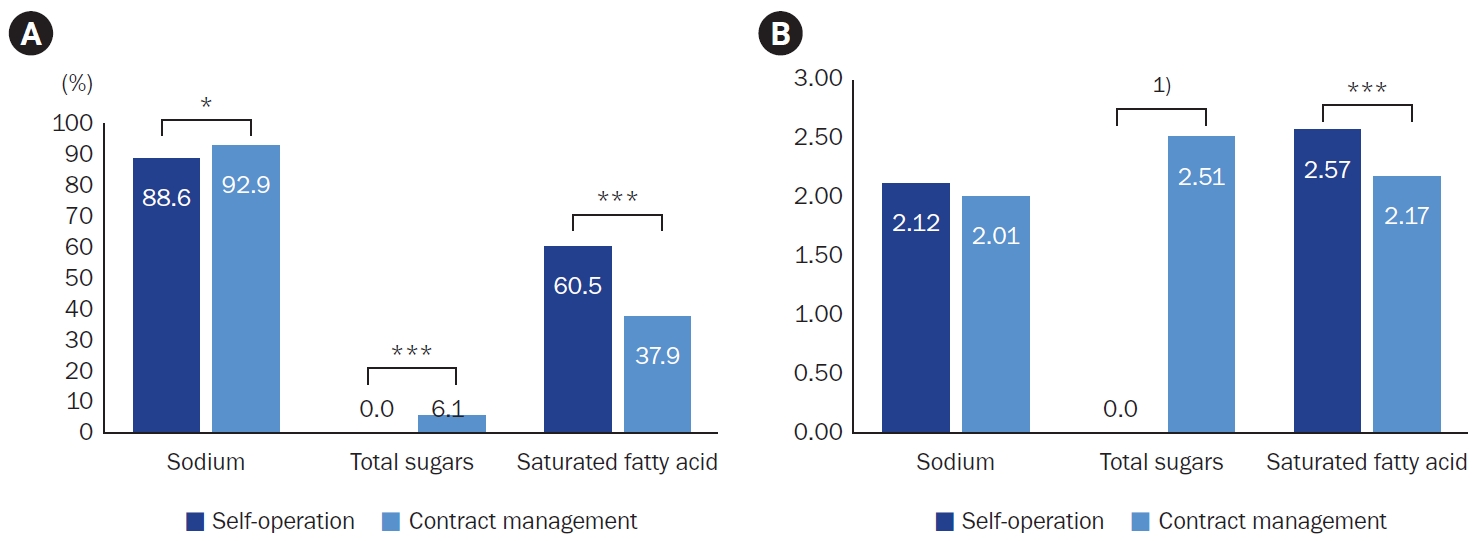
Except for significantly higher soup consumption in self-operated foodservice, no significant differences in consumption and consumption adjustment factors were observed among food types between the two foodservice operation types. NARs were low for vitamin B6 (0.29), vitamin D (0.37), vitamin A (0.52), vitamin C (0.55), and calcium (0.61), indicating inadequate micronutrient intake. The highest proportions were for vitamin B6 (94.9%), followed by vitamin A and folate (76.4%), vitamin C (70.4%), and calcium (69.0%). The proportion over CDRR of the participants was highest for sodium (91.2%), followed by saturated fatty acids (46.6%) and total sugars (3.7%), showing significant differences between the two foodservice operation types.
Conclusion
Nutrition management in small-scale public foodservice facilities for older people should reflect actual consumption and operation type-specific nutrient deficiencies or excesses.
- 184 View
- 10 Download

- [Korean]
- Association between mukbang and cookbang watching and obesity in Korean adolescents: a cross-sectional study
- Ji-Hye Jung, Yeon-Oh Han
- Korean J Community Nutr 2026;31(4):339-347. Published online August 31, 2026
- DOI: https://doi.org/10.5720/kjcn.2026.00171
-
Abstract
PDF
- Objectives
In this study, the association between the frequency of watching mukbang/ cookbang (online eating and cooking broadcasts) and obesity in Korean adolescents was investigated using data from the 21st (2025) Korea Youth Risk Behavior Web-based Survey.
Methods
The subjects were 52,624 middle- and high-school students, who were classified based on watching frequency as follows: non-watchers, monthly watchers, and weekly watchers (≥ 1 time/week). Changes in the dietary behavior of the watchers (n = 34,375) were assessed. Obesity was defined as a sex- and age-specific body mass index ≥ 95th percentile as per the 2017 Korean Children and Adolescents Growth Standard. Complex sample multiple logistic regression was used to calculate the adjusted odds ratios (aORs) and 95% confidence intervals (CIs), controlling for sociodemographic, health-related, and dietary covariates. Sex-stratified analyses and P for trend tests were also conducted.
Results
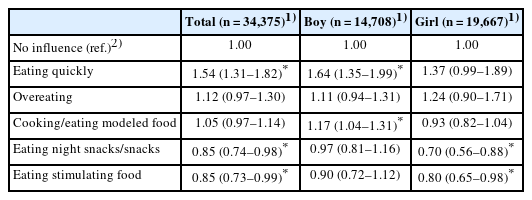
Overall, 65.3% of students watched mukbang/cookbang in the past year. The weekly watchers had significantly higher odds of obesity than the non-watchers (aOR = 1.09, 95% CI: 1.02–1.16; P for trend = 0.011). Sex-stratified analyses showed a positive association in boys (aOR = 1.20, 95% CI: 1.11–1.30), but an inverse association in girls (aOR = 0.86, 95% CI: 0.77–0.97). Among the watchers, the “eating quickly” group had the highest odds for obesity (aOR = 1.54, 95% CI: 1.31–1.82), whereas the “eating night snacks/ snacks” (aOR = 0.85, 95% CI: 0.74–0.98) and “eating spicy or highly flavored foods” (aOR = 0.85, 95% CI: 0.73–0.99) groups were associated with lower odds of obesity.
Conclusion
Regular mukbang/cookbang viewing was significantly associated with adolescent obesity. A media-induced “fast eating rate” was identified as a potential behavioral pathway linked to higher obesity risk, suggesting that adolescent obesity prevention programs should incorporate media literacy and behavioral interventions that promote slower eating.
- 168 View
- 8 Download
Review
- [English]
- Life-course nutrition strategies for Korean middle-aged adults across biological transitions, nutritional burdens, and a community-linked precision nutrition model: a narrative review
- Yoo Kyoung Park
- Korean J Community Nutr 2026;31(3):215-228. Published online June 30, 2026
- DOI: https://doi.org/10.5720/kjcn.2026.00206
-
Abstract
PDF
- Objectives
To describe the nutritional challenges faced by Korean middle‑aged adults (40–64 years) from a life‑course and biological transition perspective and to propose systems‑based precision nutrition strategies for this critical stage of the lifespan.
Methods
In this narrative review, PubMed, Medline, and Web of Science were searched for articles published between January 2010 and November 2025 using terms such as “middle aged nutrition,” “healthy aging,” “life course nutrition,” “sarcopenia,” “precision nutrition,” and “chronic diseases.” Policy documents and major national cohort and intervention studies were also reviewed.
Results
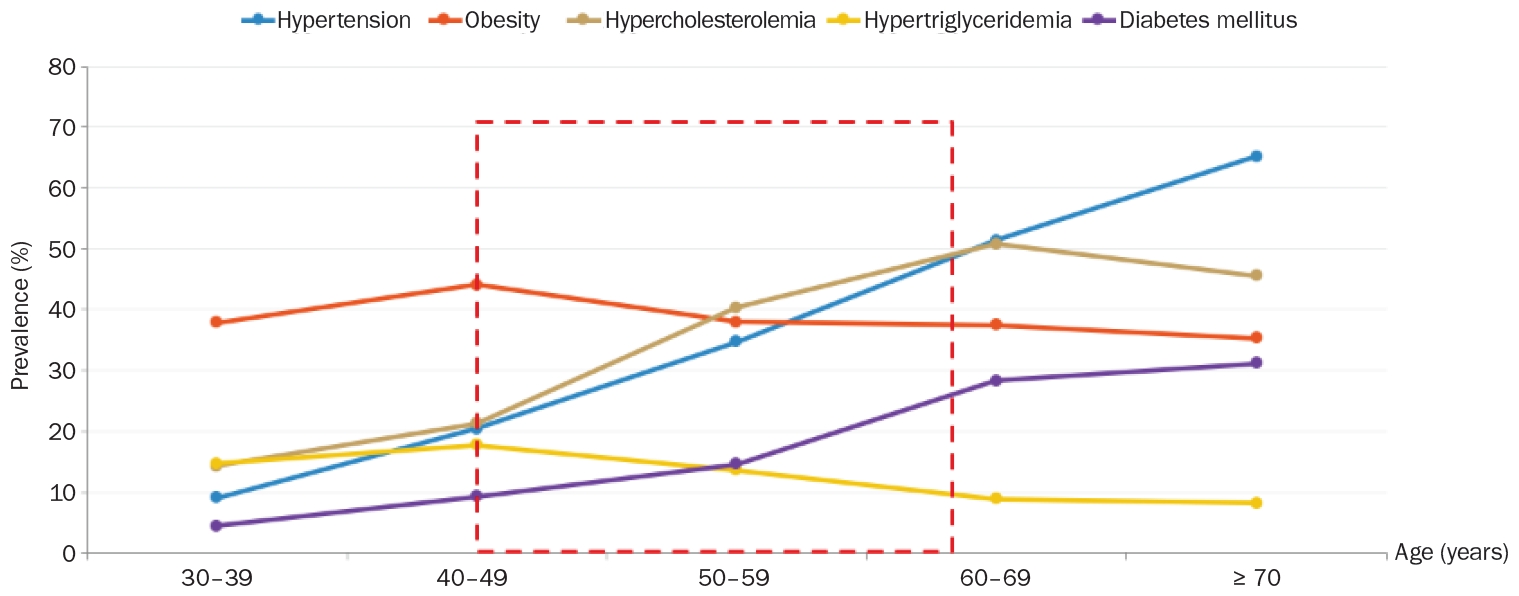
Middle-aged adults in Korea have a high prevalence of chronic disease beginning in their 40s, showing “the triple burden of malnutrition:” obesity, insufficient micronutrients, and sarcopenia onset, along with excessive sodium and sugar consumption combined with socioeconomic factors like living alone. Nutrient and dietary approaches, such as high protein (1.2–1.5 g/kg/d), leucine, dairy products and fruits, anti-inflammatory foods intake, Dietary Approaches to Stop Hypertension (DASH) or Mediterranean diets plus lifestyle modification at public health centers (Korean Diabetes Prevention Study) for cardiometabolic risks, Mediterranean-DASH Intervention for Neurodegenerative Delay diet for cognition maintenance, could greatly impact health trajectories.
Conclusion
Korean middle‑aged adults experience a triple burden of malnutrition on top of nonlinear biological aging shifts, which together accelerate cardiometabolic, musculoskeletal, and cognitive risks. Implementing targeted dietary strategies within a systems‑based, community-linked precision nutrition model is essential to reshape health trajectories and promote healthy longevity in this population.
- 1,114 View
- 31 Download
Research Articles
- [English]
- Changing patterns and related factors of kimchi consumption among Korean adults: a nationwide cross-sectional analysis of the Korea National Health and Nutrition Examination Survey, 2010–2024
- Hui-Yang Zhao, Hyunji Ham, Sumin Kim, Chang Hyeon Lee, Kyungho Ha, Sangah Shin
- Korean J Community Nutr 2026;31(3):244-263. Published online June 30, 2026
- DOI: https://doi.org/10.5720/kjcn.2026.00108
-
Abstract
PDF
- Objectives
This study was conducted to analyze long-term trends in kimchi consumption and patterns among Korean adults using data from the Korea National Health and Nutrition Examination Survey (KNHANES) from 2010 to 2024, and to identify sociodemographic, dietary, and health-related factors associated with recent kimchi consumption.
Methods
Data from the 5th (2010) through 9th (2024) KNHANES were utilized. Trend analysis included 103,267 participants, while factor analysis focused on 14,244 adults aged ≥ 30 years (2022–2024). Changes in consumption form (side dish versus ingredient) and locations were examined. Multiple logistic regression was used to calculate odds ratios (ORs) for meeting the recommended intake (40 g/day).
Results
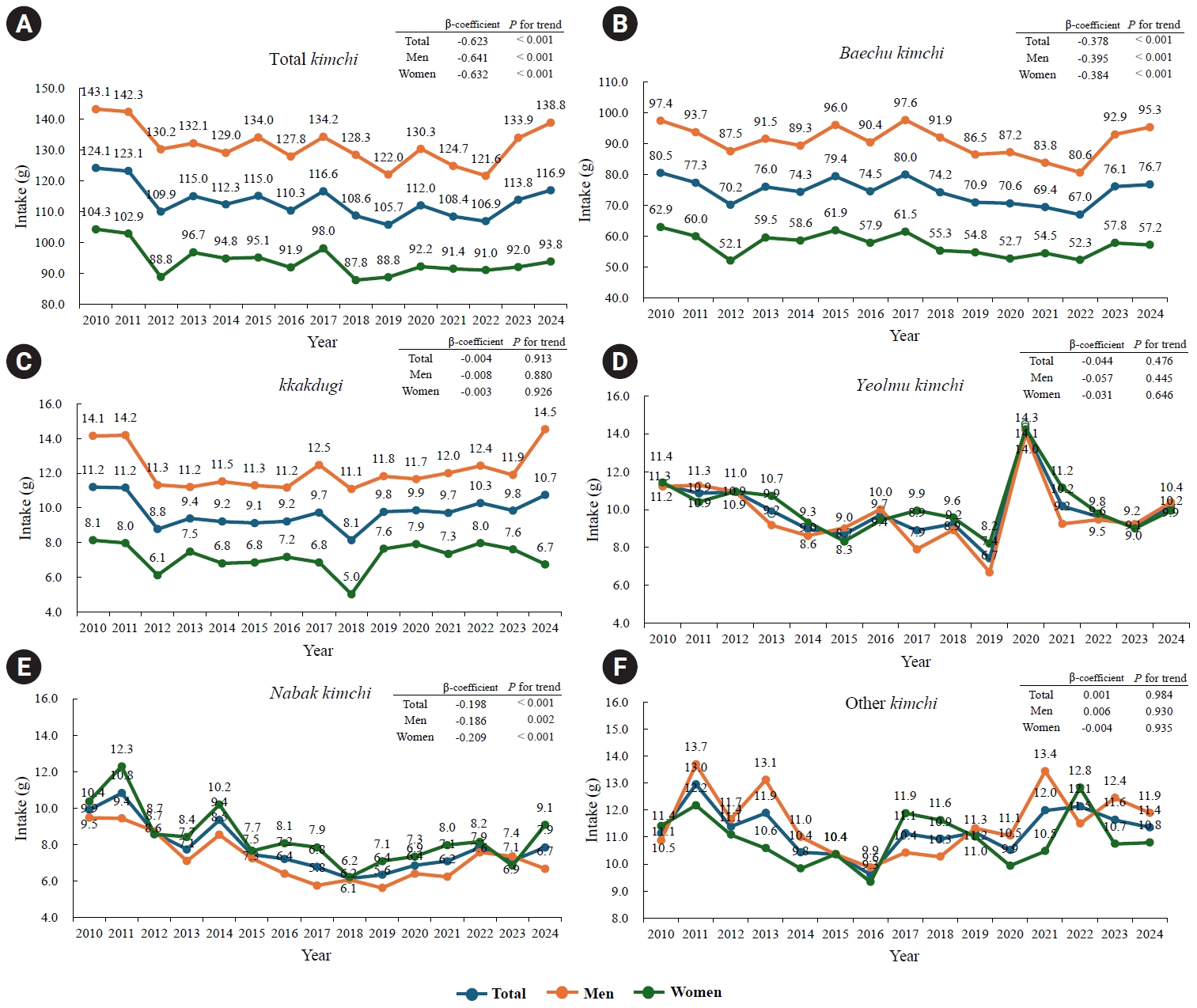
Over the past 15 years, kimchi consumption among Korean adults has significantly decreased regardless of gender (men: β = –1.53, women: β = –1.31, P for trend < 0.05). The proportion of individuals reporting no kimchi intake on the 24-hour recall day increased from 11.7% in 2010 to 22.7% in 2024. Among young adults (20–39 years), a qualitative shift occurred as consumption transitioned from side dishes to dish ingredients. At-home consumption decreased for all age groups under 60 years. Conversely, eating-out consumption increased for most groups, except for those aged 20–39 years, while school/ workplace consumption increased only in the 0–9 years age group. Analysis of the factors associated with meeting the recommended intake revealed that men, older adults, rural residents, married individuals, alcohol consumers, and smokers were more likely to meet the recommendation. Conversely, frequent solo dining or skipping meals were significantly associated with a lower likelihood of meeting the recommendation.
Conclusion
This study confirms a structural shift in the Korean diet. Future strategies for preserving traditional food culture and establishing nutritional policies must be tailored to reflect modern dietary changes, such as an increase in single-person households and the spread of a solo-dining culture.
- 1,587 View
- 31 Download
- [Korean]
- Awareness, importance and performance of sustainable diets among university students in Daegu and Gyeongbuk, Korea: a cross-sectional study
- Yun-Gyeong Cho, Eun-Kyung Shin, Yeon-Kyung Lee
- Korean J Community Nutr 2026;31(3):276-286. Published online June 30, 2026
- DOI: https://doi.org/10.5720/kjcn.2026.00080
-
Abstract
PDF
- Objectives
The need for a sustainable diet is being emphasized as dietary changes are linked to climate change, biodiversity loss, and worsening food security. The purpose of this study was to investigate university students’ awareness, knowledge, behaviors, perceived importance, and performance of sustainable diets, and to compare these variables between students who had taken a food and nutrition course and those who had not.
Methods
A total of 300 university students in the Daegu Gyeongbuk region, Korea, participated in an online survey conducted in 2024, and 292 valid (male, 139; female, 153) responses were analyzed. The survey assessed awareness, knowledge, behaviors, perceived importance, and performance of sustainable diets. These were compared between participants (134) and non-participants (158) in the food and nutrition course.
Results
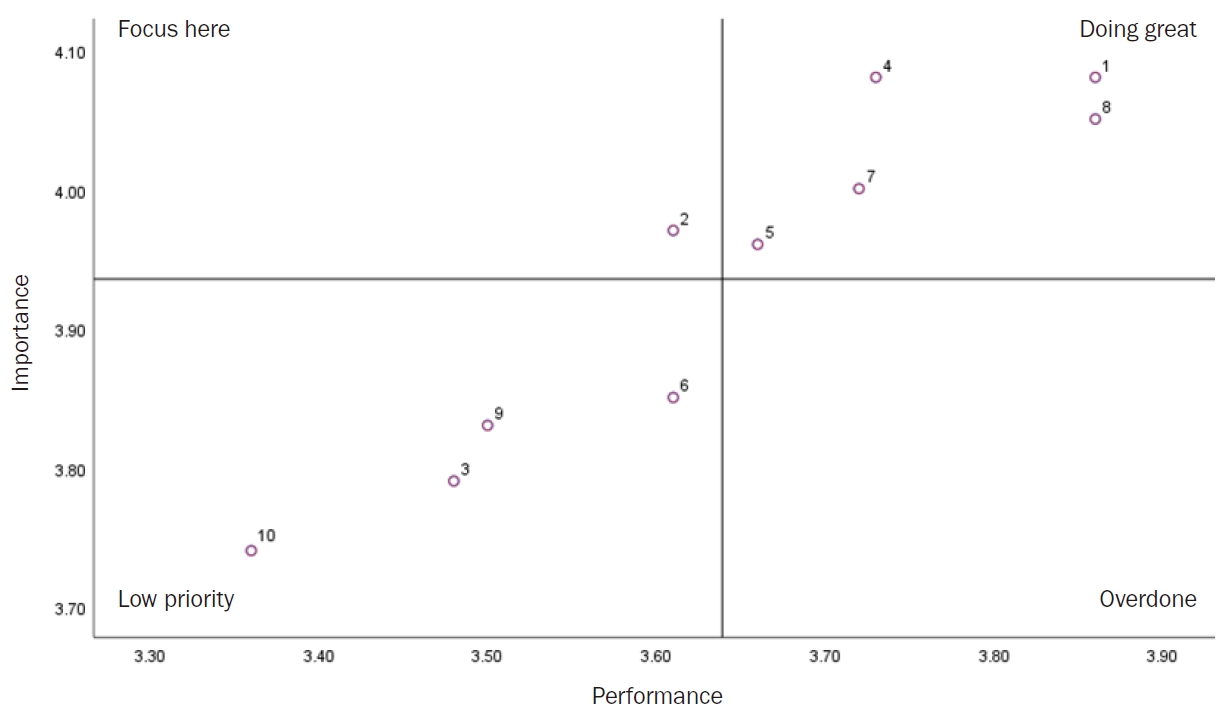
Our results showed that 54.5% of students were aware of sustainable diets, and 58.7% expressed an intention to participate in sustainable diet education in the future. The total knowledge and behavior scores on sustainable diets were 7.09/10 and 3.67/5, respectively, and the scores of the course-taking group were significantly higher than those of the non-course-taking group. The actual level of performance of sustainable diets (3.63/5) was relatively low compared to their perceived importance (3.93/5). Students who took the course demonstrated significantly higher importance (society) and performance (environment, health, and society) scores than those who did not. No significant differences were detected between the two groups regarding the importance of the environmental and health aspects of sustainable diets.
Conclusion
Students taking the food and nutrition course demonstrated high levels of awareness, knowledge, behavior, perceived importance, and performance regarding sustainable diets. These findings highlight the need for systematic educational strategies in higher education to promote sustainable dietary competencies among university students.
- 483 View
- 21 Download
- [Korean]
- Effect of a community-based nutrition intervention incorporating social cognitive theory constructs and transtheoretical model-based counseling among community-dwelling elderly in Korea: a quasi-experimental study
- Hyewon Shin, Seungmin Lee
- Korean J Community Nutr 2026;31(3):264-275. Published online June 30, 2026
- DOI: https://doi.org/10.5720/kjcn.2026.00073
-
Abstract
PDF
- Objectives
This study evaluated the effects of a 7-week nutrition intervention based on the personal and environmental constructs of social cognitive theory (SCT) and the transtheoretical model (TTM) on dietary behavior-related factors, dietary behavior outcomes, and stages of dietary behavior change among community-dwelling older adults.
Methods
A quasi-experimental nonequivalent control group pretest–posttest design was conducted from May to December 2024 at seven senior facilities in Seoul and Gyeonggi, Korea. Older adults aged ≥ 65 years were assigned by facility to either an intervention group (n = 66; four facilities) or a control group (n = 65; three facilities). The intervention group completed a 7-week program consisting of baseline assessment, five weekly group education sessions, individualized nutrition counseling, and post-intervention assessment. The control group received one general nutrition education session. Outcomes included dietary knowledge, outcome expectations, value expectations, self-efficacy, environmental factors (food accessibility and household food availability and social support), dietary behavior outcomes assessed using the Nutrition Quotient for the Elderly (NQ-E), and stage of change. Program effects were analyzed using ANCOVA adjusted for age, family composition, education, baseline dietary knowledge, and value expectations.
Results
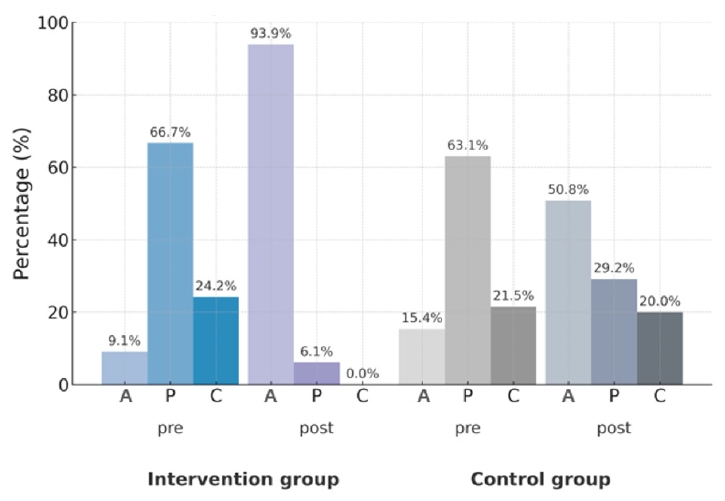
Compared with the control group, the intervention group demonstrated significantly greater improvements in dietary knowledge (P < 0.001), outcome expectations (P = 0.018), self-efficacy (P < 0.001), environmental factors (P < 0.001), and NQ-E total score (P = 0.011). No significant between-group difference was observed for value expectations. The proportion of participants in the action stage increased from 9.1% to 93.9% in the intervention group, and post-intervention stage distribution differed significantly between groups (P < 0.001). Program satisfaction was high (4.69 ± 0.41).
Conclusion
A 7-week nutrition intervention incorporating SCT-based personal and environmental constructs and TTM-based stage-matched counseling improved dietary behavior-related factors, dietary behavior outcomes, and stage distribution among community-dwelling older adults.
- 516 View
- 28 Download
Reviews
- [English]
- Life-course personalized nutrition strategy for adolescents and young adults in Korea based on a behavioral science approach and community-based model: a narrative review
- Jung-Hyun Kim
- Korean J Community Nutr 2026;31(2):127-139. Published online April 30, 2026
- DOI: https://doi.org/10.5720/kjcn.2026.00129
-
Abstract
PDF
- Objectives
This review examines the nutritional challenges among Korean adolescents and young adults from life-course and behavioral science perspectives and proposes an integrated, community-based nutrition strategy for this critical transitional period.
Methods
A narrative review was conducted following the Scale for the Quality Assessment of Narrative Review Articles guidelines. Literature published between January 2015 and June 2025 was retrieved from PubMed, Google Scholar, and Research Information Sharing Service using keywords related to adolescent and young adult nutrition, life course approaches, behavioral nutrition, and personalized nutrition. Policy documents from the World Health Organization, Food and Agriculture Organization of the United Nations, United Nations Nutrition, and Korean government agencies were also included. A total of 40 references (32 peer-reviewed articles and 8 policy reports) were analyzed.
Results
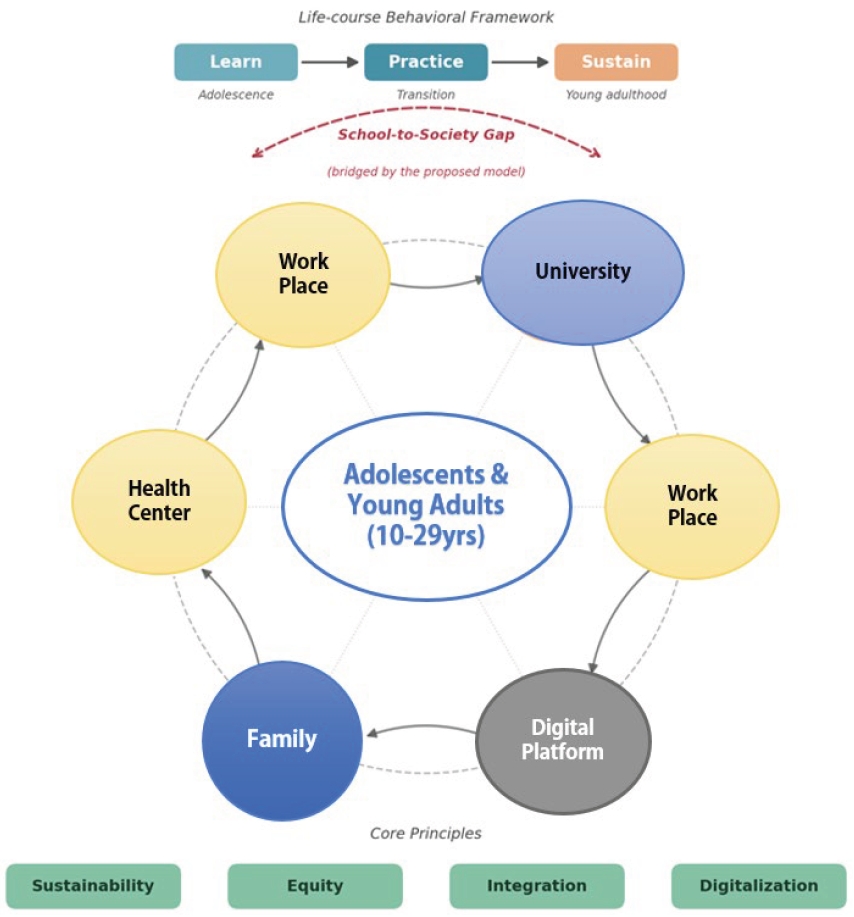
Korean adolescents and young adults exhibited high rates of skipping breakfast (> 38.3%), obesity, and excessive sodium and sugar intakes, with disparities driven by socioecological determinants. The Developmental Origins of Health and Disease framework highlights adolescence as the “second window of plasticity” for reshaping long-term health trajectories. Two behavioral frameworks were synthesized: the Formation–Maintenance Model, distinguishing adolescent (Learn–Practice) and young adult (Sustain) stages, and the socioecological nutrition model, addressing multi-level influences on dietary behavior. A structural discontinuity in public nutrition support, termed the “School-to-Society Nutrition Gap,” was identified. Community-based, participatory, and digitally integrated interventions showed strong potential for sustaining behavioral change.
Conclusion
A personalized life-course nutrition strategy based on a Learn-Practice-Sustain framework was proposed. A Community-Linked Circular Nutrition Model was presented to bridge the gap between school-based and community-level nutrition systems, emphasizing nutrition equity and digital engagement as key drivers of sustainable health outcomes.
- 897 View
- 19 Download
- [English]
- The transition of nutritional status in infants, young children, and school-aged children in Korea and future-oriented nutritional strategies: a narrative review
- Yoonna Lee
- Korean J Community Nutr 2026;31(2):115-126. Published online April 30, 2026
- DOI: https://doi.org/10.5720/kjcn.2026.00115
-
Abstract
PDF
- Objectives
This study examined the secular trends in anthropometric changes and the nutritional transition among Korean infants and school-aged children, while evaluating the efficacy and constraints of existing state-led nutritional policies. Ultimately, it proposes a “systems-centered” nutrition strategy, aligned with the United Nations Children’s Fund (UNICEF) Nutrition Strategy 2020–2030, to ensure health equity for future generations.
Methods
We reexamined comprehensive national health statistics, including school health examination data (1965–2024) and the Korea National Health and Nutrition Examination Survey (1998–2023). Additionally, Dietary Screening Test results from 126,768 young children (2021–2024) were reviewed. These quantitative findings were synthesized through a narrative review of South Korean pediatric nutrition policies and UNICEF’s global strategic frameworks.
Results
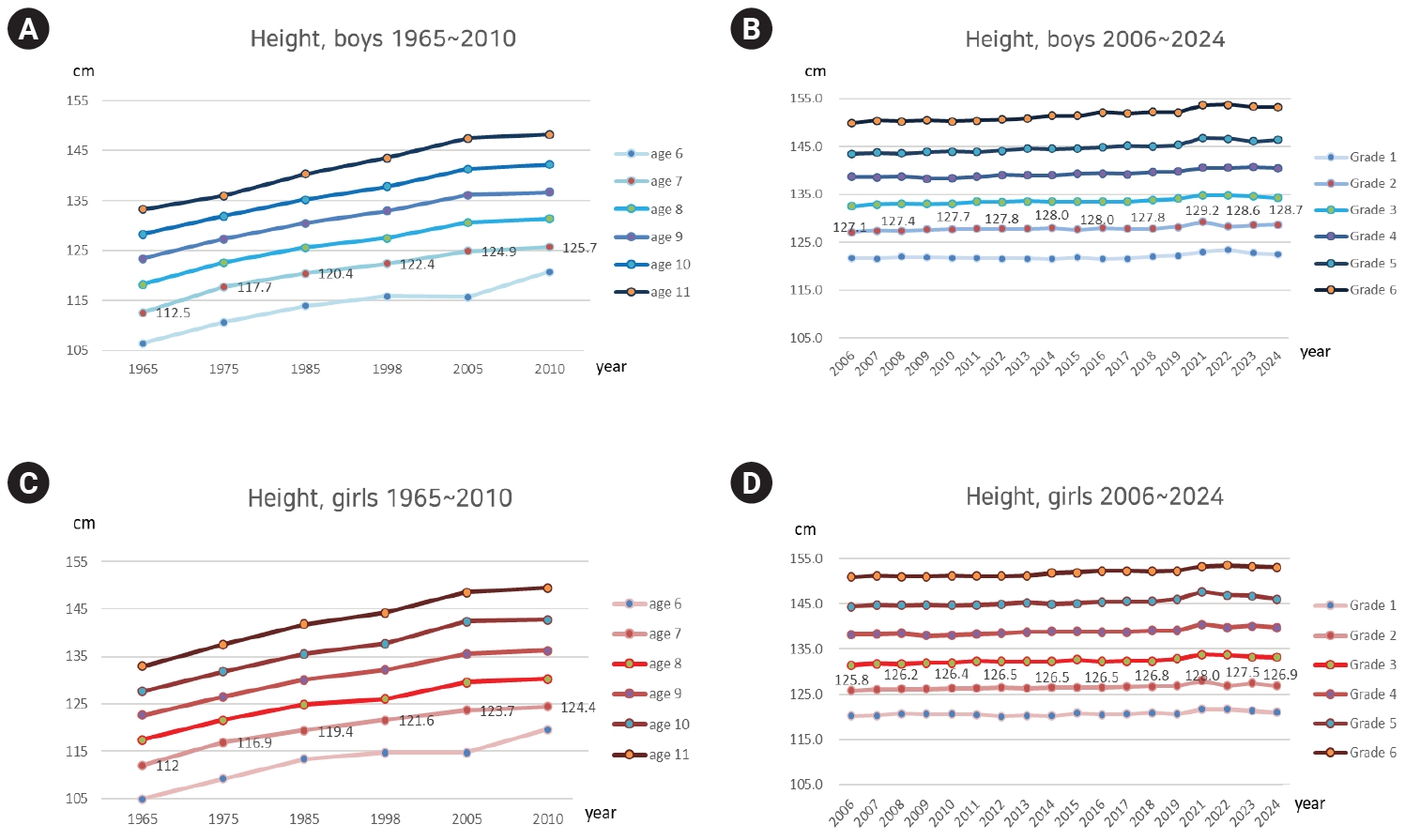
While Korean children have historically experienced rapid secular growth, this has decelerated in the 2000s. Conversely, the prevalence of obesity has surged along with stagnant underweight rates. Dietary problems such as insufficient vegetable intake and frequent consumption of sweet snacks were also found, accelerating the “triple burden” of malnutrition. Policies such as school lunches, NutriPlus program, and Center for Children’s Foodservice Management have demonstrated great success in reducing nutritional risks and improving dietary habits. However, existing fragmented programs face limitations in comprehensively addressing regional disparities or blind spots and in providing tailored nutritional management.
Conclusion
A paradigm shift is imperative to fundamentally resolve these multidimensional nutritional crises. Moving beyond fragmented programs, we need to adopt a “systems- centered” approach integrating health, education, and welfare ecosystems. Key policy recommendations include establishing a continuous life-cycle health database, introducing artificial intelligence and FoodTech-driven precision nutrition coaching, and fostering a healthy food environment through public-private partnerships within a community integrated care network.
- 927 View
- 36 Download
Research Articles
- [Korean]
- Differences in lunch nutrient intake and nutritional adequacy among Korean older adults by meal site: a cross-sectional analysis of the 2018–2021 Korea National Health and Nutrition Examination Survey data
- Daeun Choi, Sunhee Seo
- Korean J Community Nutr 2026;31(2):205-213. Published online April 30, 2026
- DOI: https://doi.org/10.5720/kjcn.2026.00045
-
Abstract
PDF
- Objectives
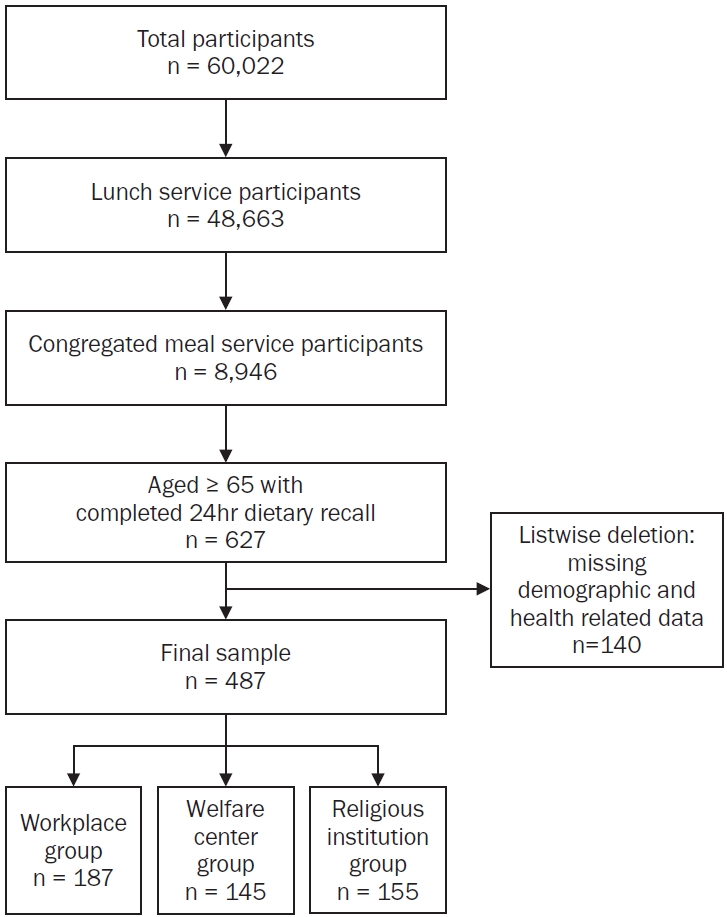
This study aimed to examine whether the dietary quality of congregate lunches differs according to meal location among older adults and to identify meal settings that may represent gaps in nutritional oversight. Specifically, this study compared lunchtime nutrient intake and adequacy among older adults eating at workplaces, welfare centers, and religious institutions.
Methods
Data were obtained from the 2018–2021 Korea National Health and Nutrition Examination Survey. The participants included 487 adults aged ≥ 65 years who reported consuming lunch at institutional meal sites, including workplaces (n = 187), welfare centers (n = 145), and religious institutions (n = 155). Nutrient intakes, nutrient adequacy ratio (NARs), and the mean adequacy ratio were compared using complex-sample general linear models with Bonferroni post-hoc tests, adjusting for sex, age, and total energy intake.
Results
Socioeconomic characteristics were broadly comparable across groups, but nutrient intake and dietary quality differed according to meal location. In food-group analyses, meat intake was lowest among participants eating at religious institutions, and dairy intake also differed significantly across settings. In nutrient adequacy analyses, NAR for carbohydrate, thiamin, and niacin differed significantly by meal location. However, except for carbohydrate, most nutrient-specific NAR remained below 1.0 across all groups, indicating insufficient adequacy relative to one-third of the recommended intake from lunch alone.
Conclusion
The dietary quality of congregate lunches among older adults differed according to meal location. Although nutrient inadequacy was common across settings, older adults eating at religious institutions showed relatively lower adequacy for some nutrients, particularly thiamin and niacin. These findings suggest that nutritional support should be strengthened across congregate meal services, with particular attention to less structured community-based settings such as religious institutions.
- 647 View
- 25 Download
- [English]
- Association between nutrient intake and frailty status in Korean older adults: a cross-sectional study using the 9th (2022–2023) Korea National Health and Nutrition Examination Survey
- Hyejin Yu, Sang-Jin Chung
- Korean J Community Nutr 2026;31(2):153-164. Published online April 30, 2026
- DOI: https://doi.org/10.5720/kjcn.2026.00038
-
Abstract
PDF
- Objectives
This study evaluated the intake status of key macronutrients and micronutrients (calcium, magnesium, iron, and vitamin D) among Korean older adults and investigated their associations with frailty and its individual components.
Methods
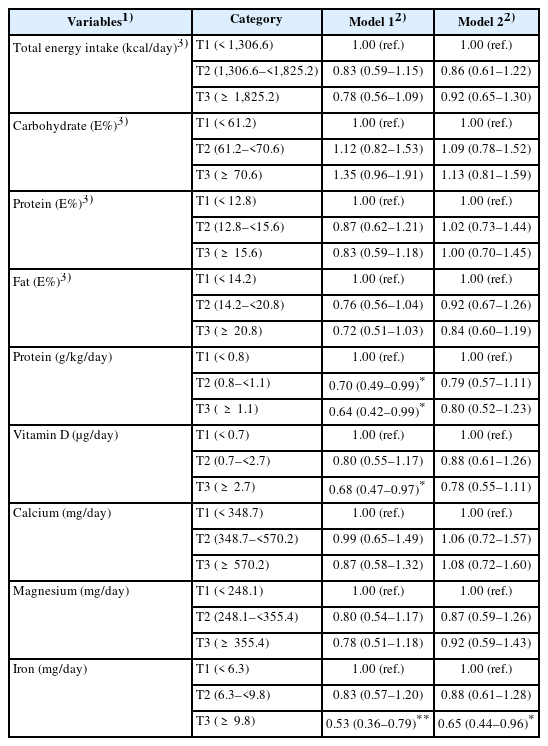
Data from 1,246 participants (aged ≥ 65 years) in the 9th Korea National Health and Nutrition Examination Survey (2022–2023) were analyzed. Participants were classified into Robust, Pre-frail, and Frail groups based on a modified version of the Fried frailty phenotype (unintentional weight loss, exhaustion/fatigue, muscle weakness, slow gait speed, and low physical activity). Nutrient intake levels were categorized into tertiles. Multivariable logistic regression was used to estimate odds ratios (ORs) for frailty. Model 1 was adjusted for age, sex, and total energy intake. Model 2 included additional adjustments for socioeconomic factors (household composition, household income) and function-related factors (aerobic physical activity, chewing difficulty, and disease status).
Results
Total energy intake differed significantly across frailty groups in both Model 1 (P = 0.011) and Model 2 (P = 0.043). In the fully adjusted model, participants in the highest tertile of iron intake (T3) had 35% lower odds of frailty compared to those in the lowest tertile (T1) (OR = 0.65; 95% confidence interval [CI], 0.44–0.96). Iron intake maintained the strongest independent association with reduced odds of muscle weakness (T3 vs. T1: OR = 0.45; 95% CI, 0.28–0.71). Furthermore, higher protein intake per kilogram of body weight (T3) was significantly associated with lower odds of slow gait speed (OR = 0.53; 95% CI, 0.33–0.87) in the minimally adjusted model. Vitamin D, calcium, and magnesium were not significantly associated with overall frailty after full adjustment.
Conclusion
Insufficient intake of protein and iron is associated with increased odds of frailty and its functional components in Korean older adults. These findings underscore the critical need for evidence-based nutritional interventions and policy development to prevent and manage frailty at the population level.
- 782 View
- 23 Download
- [Korean]
- A needs assessment for the development of a digital-based self-nutrition management education program for older adults in Korea: a cross-sectional study
- Hae-Song Yoo, Jin-Myung Lee, Min-Sun Jeon
- Korean J Community Nutr 2026;31(2):178-191. Published online April 30, 2026
- DOI: https://doi.org/10.5720/kjcn.2026.00010
-
Abstract
PDF
- Objectives
This study aimed to investigate the current status of nutrition management and digital utilization, the demand for e-learning nutrition education, and the factors influencing e-learning nutrition education among older adults.
Methods
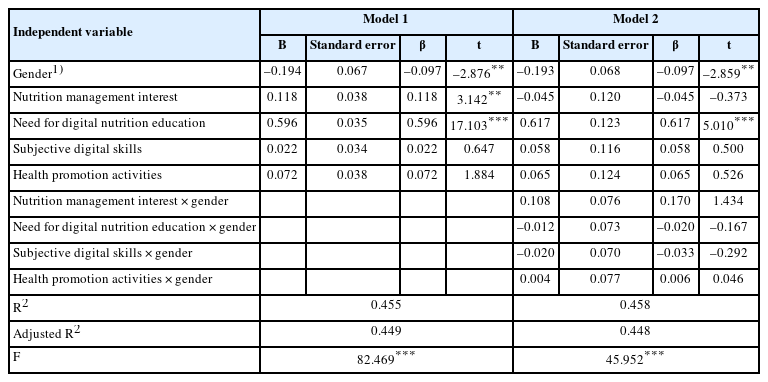
A total of 500 older adults aged 65–84 years, registered as panelists with a professional survey agency, participated in an online survey. Chi-square and independent samples t-tests were used to examine gender differences. Correlations between participants’ general characteristics and the major variables were analyzed. Based on the results, a moderated regression analysis was conducted to identify how the general characteristics significantly associated with the intention to use e-learning nutrition education functioned as moderators.
Results
Significant gender differences were observed in nutrition education experience, interest and practice of nutrition management, barriers, and digital device utilization (all P < 0.05). Exploratory factor analysis identified four sub-factors for education needs: ‘Self-directed well-being practice education’, ‘Dietary therapy for major chronic diseases’, ‘Nutrition strategy for longevity and anti-aging’, and ‘Enhancing nutrition literacy education’. In Model 1, the need for digital education, interest in nutrition management, and gender were significantly associated with usage intention (all P < 0.05), whereas health-promoting behavior showed marginal significance (P = 0.06). Although the Model 2 interaction was significant, the change in explanatory power was negligible (Delta R2 = 0.003), and all interaction terms were non-significant (P > 0.05), indicating that the relationships are not moderated by gender.
Conclusion
Although older adults exhibited high interest in nutrition management, their experience with nutrition education was limited. Significant gender differences in educational needs and health-promoting behaviors highlight the importance of tailored strategies. Enhancing digital accessibility and providing gender-specific, competency-based content are essential to effectively translate interest into behavioral change. This study underscores the importance of integrating gender-specific approaches, individual digital competencies, and inducement of health-promoting behaviors when developing e-learning nutrition education programs for older adults.
- 762 View
- 28 Download
- [Korean]
- A comparative study on nutritional status and diet-related subjective perceptions according to free meal service utilization among older adults living alone in Korea: a cross-sectional study
- Minju Jeong, Dayeon Shin
- Korean J Community Nutr 2026;31(2):165-177. Published online April 30, 2026
- DOI: https://doi.org/10.5720/kjcn.2025.00339
-
Abstract
PDF
- Objectives
To assess whether the use of free meal services is associated with diet quality among older adults living alone in Incheon, Korea, by comparing the Nutrition Quotient for the Elderly (NQ-E), index of nutritional quality (INQ), and mean adequacy ratio (MAR).
Methods
A cross-sectional survey was conducted from March 5 to April 24, 2025 using one-to-one interviews and partially self-administered questionnaires. After excluding cases with missing responses or energy intake of < 500 kcal/day, 119 participants were analyzed (56 men and 63 women). A single 24-hour recall was used to calculate INQ and MAR. NQ-E was evaluated using total and subdomain scores. Group comparisons and sex-stratified multiple linear regression analyses were performed.
Results
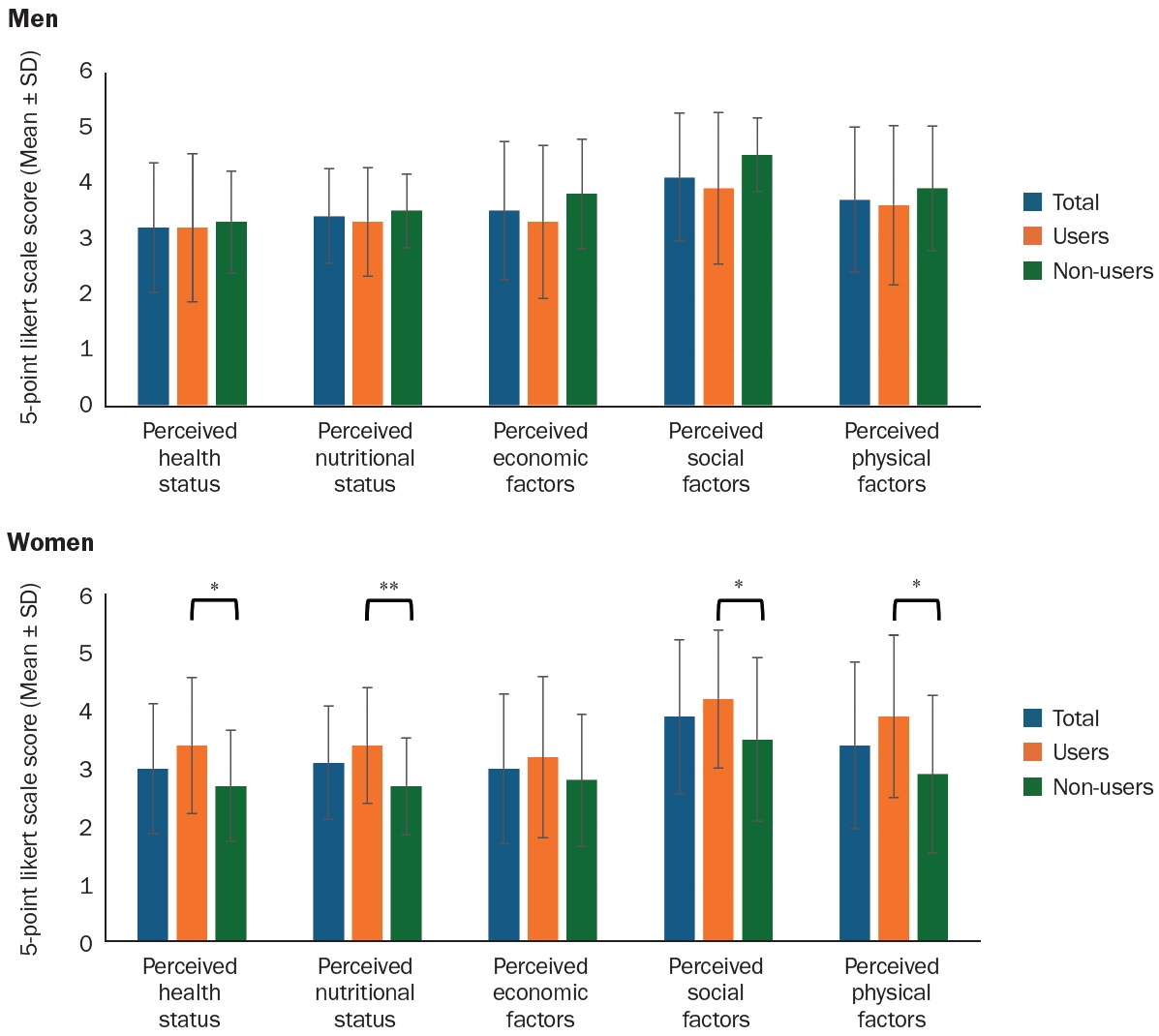
Diet-quality indicators were higher among service users than among non-users. INQ for thiamin and riboflavin was significantly higher in men than in women. Meanwhile, INQ for zinc, vitamin A, riboflavin, and folate was higher in women than in men. In both sexes, MAR was higher among users than among non-users (men: 0.8 ± 0.2 vs. 0.6 ± 0.2; women: 0.7 ± 0.2 vs. 0.5 ± 0.2; P < 0.001 for all). Differences in NQ-E total scores were small. Among women, the practice subdomain score was higher in users than in non-users (66.0 ± 16.4 vs. 55.2 ± 15.5; P = 0.016), and the proportion in upper grades was greater (P = 0.030). Regression analysis showed that service use was negatively associated with NQ-E in men (P = 0.007) and positively associated with MAR in women (P = 0.010).
Conclusion
Use of free meal services was associated with improved diet quality, as reflected by MAR and INQ for specific nutrients, and with higher NQ-E practice scores observed in women than in men. Policies should prioritize food-insecure groups and support sustained participation.
- 953 View
- 46 Download
- [English]
- Understanding the drivers of continuance intention in online grocery shopping using technology continuance theory: a cross-national comparison
- Binglin Liu, Min A Lee
- Korean J Community Nutr 2026;31(1):50-63. Published online February 28, 2026
- DOI: https://doi.org/10.5720/kjcn.2026.00017
-
Abstract
PDF
- Objectives
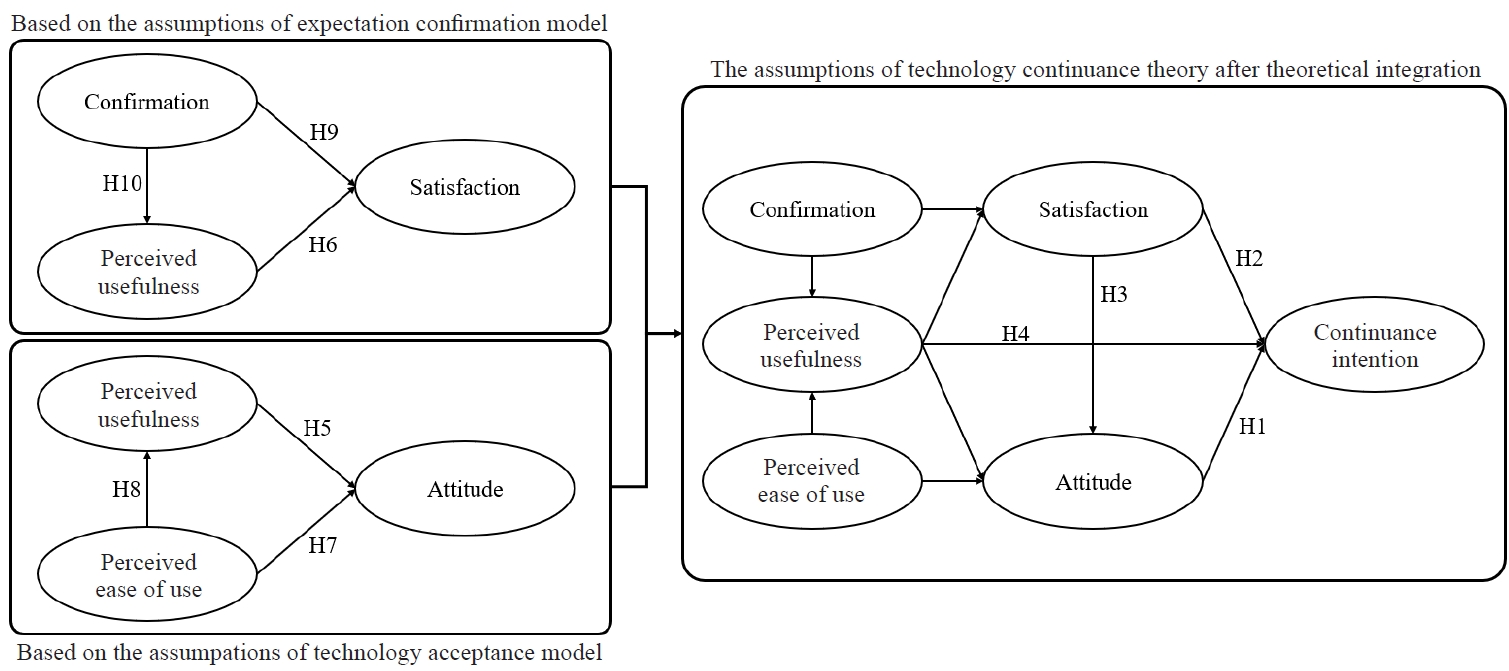
This study examined the determinants of consumers’ continuance intention (CI) toward online grocery shopping (OGS) across different country markets. Drawing on technology continuance theory (TCT), this study compared key drivers of CI in a different countries market.
Methods
Data were collected via online surveys from 638 OGS users in China (n = 338) and South Korea (n = 300) between November and December 2023. A TCT-based model incorporating satisfaction, attitude, perceived usefulness (PU), perceived ease of use, confirmation, and CI was tested using partial least squares structural equation modeling. Partial measurement invariance testing was conducted to ensure valid cross-national comparison.
Results
In South Korea, both satisfaction and attitude significantly predicted CI, with satisfaction exerting a particularly strong effect. In China, attitude was the primary determinant of CI, whereas satisfaction had minimal impact. Across both countries, PU consistently and positively influenced satisfaction and attitude, thereby indirectly enhancing CI. Partial measurement invariance was confirmed, validating comparisons of the model across contexts.
Conclusion
The findings suggest that the drivers of online grocery continuance differ by cross-national market. In Korean markets, strategies must enhance customer satisfaction (and its influence on attitude) to sustain OGS usage. In Chinese markets, fostering favorable consumer attitudes toward OGS is essential for promoting continued use. This cross-national analysis advances the theoretical understanding of continuance behavior while providing practical guidance for designing market-specific strategies to sustain online grocery engagement.
- 1,229 View
- 37 Download
Review
- [Korean]
- Research trends in dietary behaviors and nutrition education among individuals with developmental disabilities in Korea: a scoping review (2015–2025)
- Nakyung Kwak, Wonyeong Park, Yu-Ri Kim, Jieun Oh
- Korean J Community Nutr 2026;31(1):1-20. Published online February 28, 2026
- DOI: https://doi.org/10.5720/kjcn.2025.00374
-
Abstract
PDF
- Objectives
We mapped trends in studies on dietary behaviors, nutritional status, and nutrition-related education among individuals with developmental disabilities in Korea over the past decade to identify research gaps and inform future research and policy development.
Methods
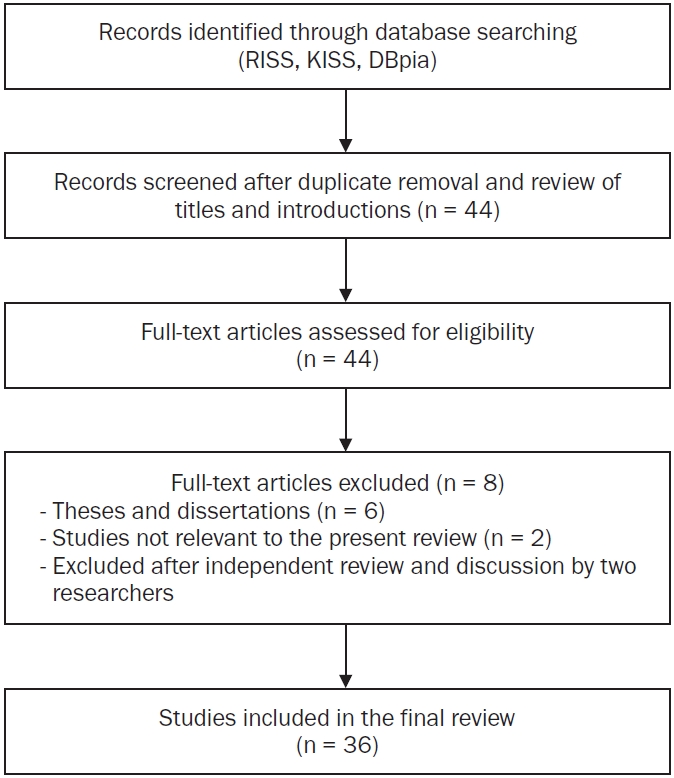
A scoping review was conducted using three major Korean academic databases (RISS, KISS, and DBpia). Studies published between 2015 and September 2025 were identified using combinations of keywords related to developmental disabilities, dietary behavior, nutrition, and health-related interventions. Eligible studies included empirical studies and secondary research (e.g., systematic or scoping reviews) conducted in Korea that focused on dietary behaviors, nutrition, health promotion, or nutrition-related education for individuals with developmental disabilities. Thirty-six studies met our inclusion criteria and were analyzed based on study design, study population, disability type, research topic, and publication period.
Results
Observational quantitative, qualitative, intervention-based experimental, and evidence synthesis accounted for 27.8%, 13.9%, 22.2%, and 36.1% of all included studies, respectively. Children and adolescents (27.8%) and adults (25.0%) were the most frequently studied populations, with limited studies focusing on professionals or teachers. Most studies targeted individuals with developmental disabilities as a combined group (61.1%), followed by those specifically targeting autism spectrum disorder. Research topics included dietary behaviors and nutritional status, nutrition-related education and interventions, health promotion, and medical or clinical issues, with many small-scale and shortterm intervention studies.
Conclusion
Although research on dietary and nutrition-related issues among individuals with developmental disabilities in Korea has expanded in scope and methodology, significant limitations remain. Future research should adopt longitudinal and community-based approaches, incorporate diverse populations, and strengthen policy-oriented nutrition support systems to promote sustainable health and quality of life for individuals with developmental disabilities.
- 1,510 View
- 80 Download
Research Articles
- [Korean]
- Comparison of dietary behaviors and nutrient intake by gender and household type among older Koreans: a cross-sectional study using data from the 8th Korea National Health and Nutrition Examination Survey
- Dana Park, Soo-Kyung Lee
- Korean J Community Nutr 2026;31(1):87-100. Published online February 28, 2026
- DOI: https://doi.org/10.5720/kjcn.2025.00367
-
Abstract
PDF
- Objectives
This study aimed to identify gender- and household type-specific nutritional vulnerability among older Koreans by comparing dietary behaviors, nutrient intake, and diet quality.
Methods
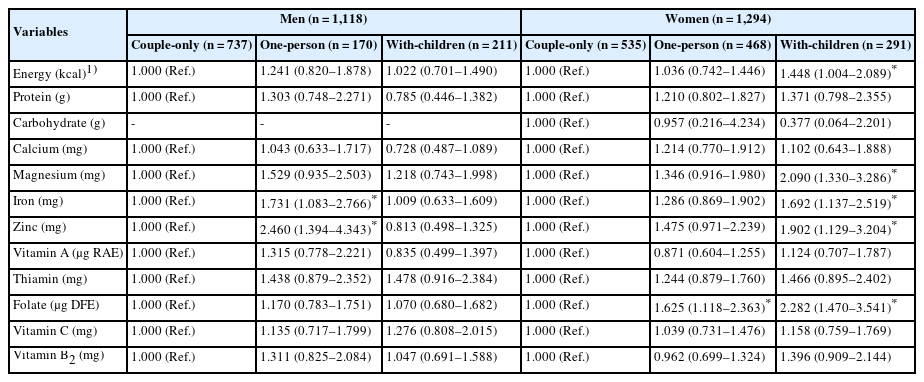
We analyzed data from 2,412 adults aged ≥ 65 years (1,118 men; 1,294 women) from the 8th Korea National Health and Nutrition Examination Survey (2019–2021). Household type was classified as one-person, couple-only, or with-children. Outcome variables included dietary behavior, daily energy and nutrient intake, and diet quality, assessed using the Korean Healthy Eating Index (KHEI). Analyses were carried out accounting for the complex sampling design, adjusting for age, residential area, education level, household income level, economic activity status, self-rated health status, and survey year.
Results
Elderly men in one-person households, compared with those in couple-only households, were more likely to skip breakfast and lunch and to consume less energy. The odds of intake below the estimated average requirement (EAR) were higher for iron (odds ratio [OR] = 1.731, P = 0.022) and zinc (OR = 2.460, P = 0.002) among men in one-person households. The KHEI score was the lowest among men in one-person households. Elderly women in with-children households, compared with those in couple-only households, were more likely to skip breakfast and to consume less energy. The risks of intake below the estimated energy requirement (EER) and EAR were higher among women in with-children households than those in couple-only households (EER: OR = 1.448; magnesium: OR = 2.090; iron: OR = 1.692; zinc: OR = 1.902; folate: OR = 2.282; all P < 0.05). The KHEI score was lower among women in with-children households.
Conclusion
Elderly men living alone and elderly women living with children showed significantly greater nutritional vulnerability. More attention should be given to understanding how gender-specific household types can affect nutritional vulnerability in later life.
- 1,128 View
- 69 Download
- [Korean]
- Effects of senior-friendly foods on health, nutritional status, and dietary intake among rural elderly women in Korea: a quasi-experimental study
- Sang-ju Lee, Ji-hyeon Kim, Jin-suk Han
- Korean J Community Nutr 2026;31(1):101-113. Published online February 28, 2026
- DOI: https://doi.org/10.5720/kjcn.2025.00353
-
Abstract
PDF
- Objectives
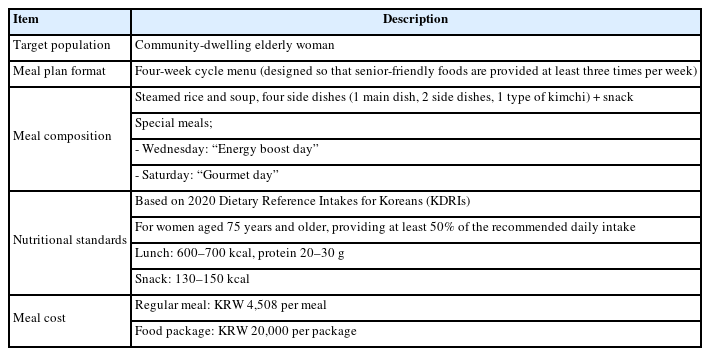
We evaluated the impacts on health, nutritional status, and dietary intake of providing senior-friendly foods to community-dwelling elderly women in a rural area in Korea.
Methods
A pretest–posttest nonequivalent control group design with repeated measures was conducted among 71 rural-dwelling elderly women. Changes in health indicators, nutritional status, and dietary intake were assessed at three time points: baseline, post-intervention, and two months after intervention.
Results
Immediately after a three month intervention, significant differences were observed between the intervention and control groups in frailty score, Dysphagia Handicap Index, Mini Nutritional Assessment, social isolation, resilience, quality of life, and depression (P < 0.05). Significant group-by-time interaction effects were found for muscle mass, hemoglobin A1c, and energy, protein, and micronutrient intake, all of which showed significant improvements in the intervention group (P < 0.05).
Conclusion
Providing senior-friendly foods effectively improved physical and physiological health and emotional well-being among rural older adults. This intervention also contributed broadly to improved dietary intake. These findings provide empirical evidence to support the development of community-based integrated care models and tailored nutrition intervention programs for rural elderly populations in Korea. Trial Registration: Clinical Research Information Service Identifier: KCT0011666.
- 1,108 View
- 61 Download
- [English]
- Impact of a foodservice establishment manager’s willingness to perform duties on hygiene management levels and the mediating effects of extrinsic motivations: a cross-sectional study
- Tae Yang Kim, Mi Young Lee, Young Eun Lee
- Korean J Community Nutr 2026;31(1):36-49. Published online February 28, 2026
- DOI: https://doi.org/10.5720/kjcn.2025.00332
-
Abstract
PDF
- Objectives
Consumer demand is growing for more rigorous hygiene management within foodservice establishments. The aim of this study was to provide customized data specific to each foodservice establishment, thereby informing policy formulation to improve hygiene management levels.
Methods
We surveyed 310 managers of directly managed foodservice establishments (excluding franchises) that were subject to hygiene inspections by the Chungbuk Provincial Office in Korea between September 1 and 27, 2023. Additionally, 30 investigators trained in methods for evaluating the hygiene management levels of foodservice establishments objectively assessed 310 establishments using evaluation sheets. All 310 managers provided consent and personally completed the questionnaires. Data from 277 managers were included in the analysis. General characteristics were analyzed with descriptive statistics in IBM SPSS Statistics 28 (IBM Corp.). Univariate normality verification, measurement model verification, structural model verification, and mediation effect significance analysis were conducted using R’s lavaan package (version 4.3.2.).
Results
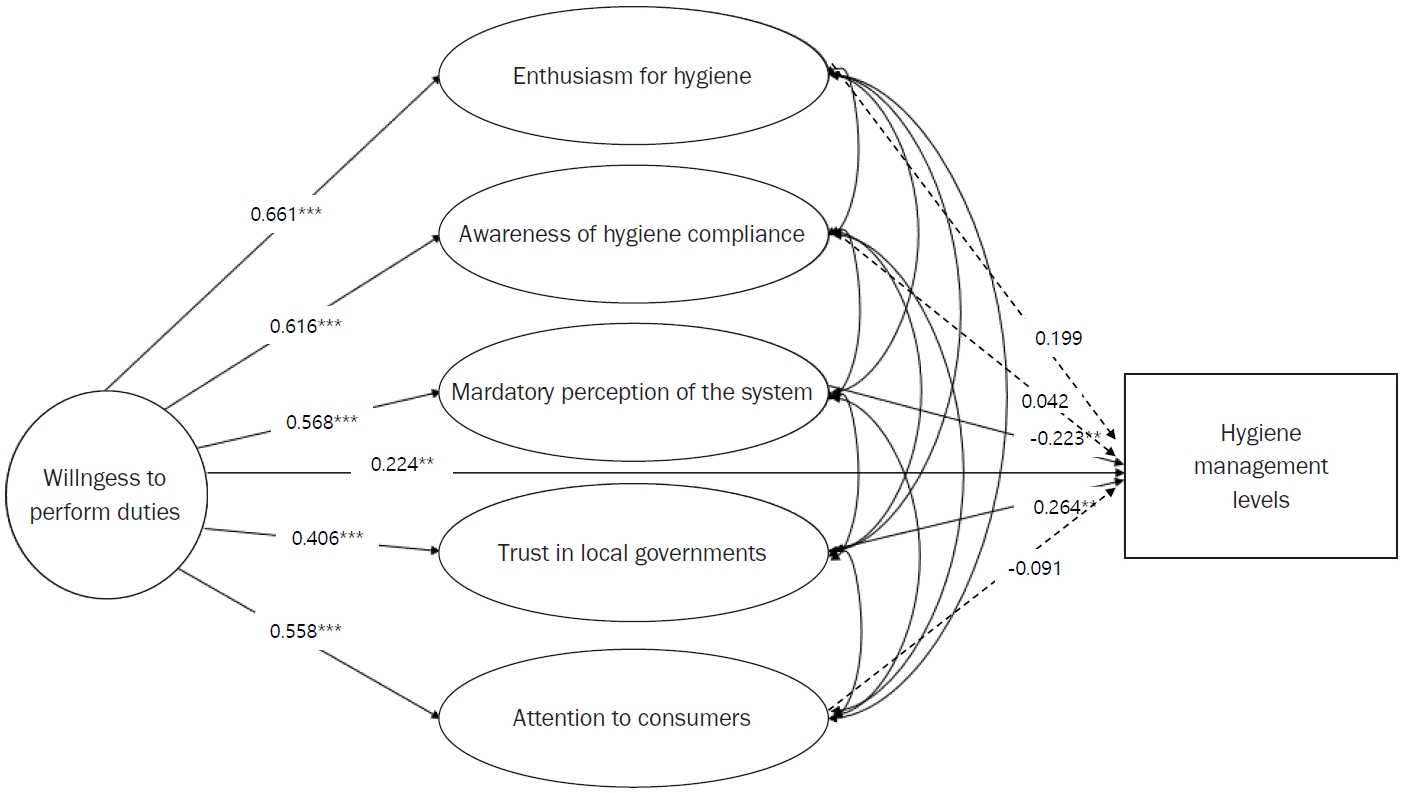
Managers’ willingness to perform duties had a positive influence on hygiene management level (0.224), enthusiasm for hygiene (0.661), awareness of hygiene compliance (0.616), mandatory perception of the system (0.568), trust in local governments (0.406), and attention to consumers (0.558). In the relationship between managers’ willingness to perform duties and hygiene management level, mandatory perception of the system had a negative mediating effect (–0.223), while trust in local governments had a positive mediating effect (0.264).
Conclusion
Structural equation modeling was used to identify the complex pathways by which foodservice establishment managers’ willingness to perform duties, mediated by their human factors, influences their hygiene management level. Accordingly, policy implications were presented, suggesting that the hygiene management level of foodservice establishments could be enhanced by increasing managers’ willingness to perform their duties, and that a shift from mandatory regulations by local governments to support-oriented systems that foster trust in local governments is necessary.
- 1,567 View
- 104 Download
- [Korean]
- Evaluation of young children’s dietary behaviors by parental growth concern levels in Gyeonggi area: a descriptive study
- Youn-Rok Kang, Hyung-Sook Kim
- Korean J Community Nutr 2026;31(1):75-86. Published online February 28, 2026
- DOI: https://doi.org/10.5720/kjcn.2025.00269
-
Abstract
PDF
- Objectives
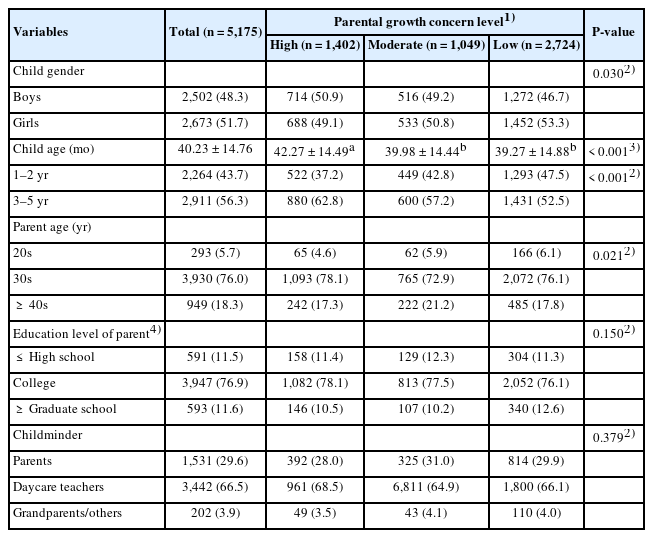
This study investigated differences in dietary habits, lifestyle patterns, and feeding- related developmental issues among Korean preschool children based on their parents’ levels of growth concern, and examined the associations between parental growth concern and children’s eating behaviors.
Methods
A cross-sectional study was conducted with parents of children aged 1–5 years residing in Gyeonggi Province, Korea. Participants were classified into high, moderate, and low growth concern groups using the children’s dietary screening test. Data were collected on the children’s anthropometric status, lifestyle routines, dietary intake patterns, eating behaviors, and mealtime media exposure.
Results
Children in the high growth concern group showed a higher prevalence of underweight; irregular sleep and mealtime routines; and more frequent eating difficulties, including picky eating, slow eating, and oral processing problems. Mealtime media exposure was associated with lower fruit and vegetable intake and higher consumption of processed and sugar-rich foods. Higher parental growth concern did not correlate with healthier dietary or lifestyle outcomes.
Conclusion
Preschool children’s dietary behaviors and routines differed according to the parents’ levels of growth concern. Higher levels of parental concern were associated with increased feeding difficulties and greater mealtime media exposure. These findings suggest that excessive concern may contribute to maladaptive eating patterns in children. Evidence- based parental guidance and structured nutrition education are essential to promote healthy growth and eating behaviors during early childhood.
- 1,078 View
- 55 Download
Review
- [English]
- Dietary factors and nutritional guidelines for sarcopenia in older adults: a narrative review
- Sumin Heo, Soo Jin Yang
- Korean J Community Nutr 2025;30(6):389-396. Published online December 31, 2025
- DOI: https://doi.org/10.5720/kjcn.2025.00360

-
Abstract
PDF
- Objectives
Sarcopenia is a condition characterized by the loss of muscle mass and function and is often accompanied by aging and chronic diseases such as diabetes and obesity. It increases the risk of falls, frailty, disability, hospitalization, and mortality in older adults. Its global prevalence is estimated as approximately 10%–27% in adults aged > 60 years. This review analyzes evidence from research findings and recommendations to provide a comprehensive overview of dietary factors and nutritional strategies for preventing and managing sarcopenia in older adults.
Methods
Literatures were searched to integrate findings from observational studies, clinical trials, systematic reviews, and meta-analysis on dietary factors and nutritional guidelines for the prevention and management of sarcopenia. Particularly, points were emphasized on protein intake, micronutrient adequacy, dietary patterns, and combined lifestyle interventions relevant to older populations.
Results
Sarcopenia develops through multifactorial mechanisms such as dysfunction in muscle protein synthesis, chronic inflammation, mitochondrial dysfunction, and aging-related hormonal decline. Nutritional factors, particularly protein intake, play a central role in its development and management. Adequate protein intake is typically 1.0–1.2 g/kg/day for healthy older adults and more than 1.2 g/kg/day for individuals with sarcopenia or frailty. High-quality protein intake, sufficient leucine intake, and amino acids or β-hydroxy-β-methylbutyrate supplementation may help to counteract dysfunction in muscle protein synthesis. The adequacy of vitamin D supports musculoskeletal health. Dietary patterns, such as the Mediterranean and Dietary Approaches to Stop Hypertension diets have been consistently associated with better muscle mass, strength, and function. Strong evidence has demonstrated synergistic benefits when optimized nutrition is combined with resistance exercise.
Conclusion
The comprehensive management of sarcopenia in older adults requires an integrated strategy that prioritizes adequate protein and energy intake, vitamin D adequacy, healthy dietary patterns, and regular resistance exercise. -
Citations
Citations to this article as recorded by
- Sodium butyrate ameliorates muscle atrophy in type 2 diabetes-related sarcopenia via the PI3K/Akt/FoxO1 pathway
Cheng-Ya Song, Ying Yang, Kan Hong
Tissue and Cell.2026; 101: 103487. CrossRef - Dairy Foods Support Public Health Among Hispanic/Latino Americans
Kevin B. Comerford, Ashanda Saint Jean, Jennifer Vargas, Kimberly Avila Edwards
Journal of the National Hispanic Medical Association.2026;[Epub] CrossRef - Broccoli-Derived Peptides and Leucine in Combination Ameliorate D-Galactose-Induced Sarcopenia in Mice
Kexin Yuan, Wenbin Wu, Ning Su, Mingyang Cui, Jingyi Qi, Yang Zhang, Zhengyang Zhang, Peng An, Junjie Luo, Yongting Luo
Nutrients.2026; 18(12): 1997. CrossRef - Micronutrient risk with GLP-1 receptor and dual incretin agonists in obesity: Mechanistic pathways, clinical signals, and a monitoring framework
Daniel Simancas-Racines, Martín Campuzano-Donoso, Gianluca Rossetti, Luigi Cobellis, Vincenzo Pilone, Federica Fascì-Spurio, Dolores Jima Gavilanes, Carlos Soria, Claudia Reytor-González, Luigi Schiavo
Obesity Pillars.2026; 19: 100290. CrossRef - Vitamin D as a Modulator of Sarcopenia in Women: Interactions with Dietary Patterns and Physical Exercise
Ilaria Versari, Alberto Bavelloni, Camilla Sbrighi, Mirko Traversari, Irene Faenza, Sara Salucci
Nutrients.2026; 18(15): 2494. CrossRef - Associations Between Lifestyle Behaviors and Handgrip Strength in Community-Dwelling Older Women: A Cross-Sectional Study
Yuji Maruyama, Maho Ueda
Healthcare.2026; 14(15): 2269. CrossRef - Sarcopenia as chronic recovery failure: a constraint-accumulation hypothesis for the muscle mass–function gap
Jun Woo Kwon
Medical Hypotheses.2026; 215: 112116. CrossRef - Operationally Defined Sarcopenia Phenotype Among Older Egyptian Outpatients: A Descriptive Cross-Sectional Study
Fatma Magdi Ibrahim
Nursing Reports.2026; 16(9): 326. CrossRef
- Sodium butyrate ameliorates muscle atrophy in type 2 diabetes-related sarcopenia via the PI3K/Akt/FoxO1 pathway
- 8,036 View
- 193 Download
- 8 Crossref
Research Articles
- [Korean]
- Parents' needs and perceptions of dietary and nutrition education in early childhood education institutions in South Korea: a mixed methods study
- Jounghee Lee, Sookyung Choi, Minseo Kim, Seonghyun Lim, Jeong-Weon Kim
- Korean J Community Nutr 2025;30(6):441-456. Published online December 31, 2025
- DOI: https://doi.org/10.5720/kjcn.2025.00304

-
Abstract
PDF
- Objectives
This study aimed to clarify parental perceptions of dietary and nutritional education provided to young children, identify parental support needs, and suggest directions for improvement.
Methods
A mixed-method sequential explanatory design was followed. Quantitative data were collected through an online survey conducted nationwide that included 200 parents of children aged three to six years in South Korea. Qualitative data were subsequently obtained through focus group interviews with fifteen parents to explore their contextual insights and experiences.
Results
Needs ratings prioritized expanding activity-based/experiential education (3.65 ± 0.88), followed by strengthening home-school communication and connectivity (3.59 ± 0.84), diversifying topics and content (3.55 ± 0.88), and increasing instructional time (3.39 ± 0.94). Integrated with the focus group interview findings, multilevel barriers were revealed—individual level: strong preferences of children for sweet/processed foods; interpersonal level: strong parental modeling and peer effects counterbalancing limited teacher expertise/time; organizational level: insufficient effective event-based experiential activities, and resource gaps across institutions; community/policy level: infrequent external support, uneven access to local resources, lack of standardized guidance, and limited opportunities for parental participation. Parents favored short, interactive digital content and expressed concerns about overexposure. These convergent findings indicate needs to 1) formalize and extend experiential programs within the regular curriculum, 2) provide standardized guidelines and home resource kits, and 3) institutionalize parental involvement.
Conclusion
These findings reveal that dietary and nutritional education for young children should move beyond fragmented, event-based programs toward an integrated three-tiered model incorporating (1) a structured, experiential curriculum, (2) home-linked educational packages, and (3) safe and interactive digital content. Establishing standardized guidelines, enhancing educational infrastructure, and institutionalizing parental participation are essential for sustainable improvement of early childhood dietary education.
- 1,200 View
- 87 Download
- [English]
- Ultra-processed food intake and dietary behaviors in Korean adolescents: a cross-sectional study based on the 2019–2023 Korea National Health and Nutrition Examination Survey
- Jin-A Kim, Sim-Yeol Lee
- Korean J Community Nutr 2025;30(6):410-418. Published online December 31, 2025
- DOI: https://doi.org/10.5720/kjcn.2025.00297

-
Abstract
PDF
- Objectives
This study aimed to investigate the intake of ultra-processed foods (UPF) and dietary behaviors in Korean adolescents.
Methods
This study used 24-hour dietary recall data from the Korea National Health and Nutrition Examination Survey (2019–2023). In total, 1,720 adolescents aged 12–18 years were included in this study and categorized into quartiles based on the percentage of energy intake from the UPF. Nutritional status, contributing subgroups of UPF intake, and healthy dietary practices were examined using Health Plan 2030 indicators across quartiles of UPF intake.
Results
The nutrient intake of protein, vitamins (A, B1, B2, niacin), and minerals (iron, potassium) was the lowest in the fourth quartile of UPF intake compared with the first quartile (P for trend < 0.001), whereas calcium intake increased across quartiles, from 47.68% in the first quartile to 58.51% in the fourth quartile (P for trend < 0.001). The main contributing subgroups to UPF intake differed across quartiles of UPF intake, and the highest contributing subgroups were ‘instant noodles and dumplings,’ ‘desserts, cakes, and ice cream,’ and ‘sauces and seasonings.’ Healthy dietary practices were the lowest in the fourth quartile (22.18%, P < 0.001), and the proportions of appropriate fat and fruit/vegetable intake were significantly lower in the higher quartiles of UPF intake (P < 0.001).
Conclusion
This study suggests that a lower UPF intake was associated with better nutritional status and healthy dietary practices in Korean adolescents. These findings provide fundamental evidence for promoting healthier food choices and balanced dietary practices. -
Citations
Citations to this article as recorded by- An Exploratory Indirect Association Analysis of Dietary Supplement Use and Metabolic Risk in Korean Adolescents: A Cross-Sectional Study
Jeoungmi Kim, Vasuki Rajaguru
Foods.2026; 15(14): 2554. CrossRef
- An Exploratory Indirect Association Analysis of Dietary Supplement Use and Metabolic Risk in Korean Adolescents: A Cross-Sectional Study
- 2,958 View
- 88 Download
- 1 Crossref
- [Korean]
- Toward the development of a digital self-nutrition management education program for elderly: findings from focus groups study
- Hae-song Yoo, Jin-myong Lee, Min-sun Jeon
- Korean J Community Nutr 2025;30(6):431-440. Published online December 31, 2025
- DOI: https://doi.org/10.5720/kjcn.2025.00234

-
Abstract
PDF
- Objectives
The aim of this qualitative study was to explore and understand the behaviors and challenges of self-nutrition management from the perspective of elderly.
Methods
In May 2025, ten elderly aged 65–83 years with prior experience using digital devices were recruited through purposeful sampling. Data were collected via focus group interviews using a semi-structured questionnaire until saturation was reached, and all interviews were recorded, transcribed, and analyzed using traditional content analysis methods. The collected interview data were extracted focusing on phrases or sentences relevant to the research purpose, and various concepts derived through memo writing and the constant comparison were categorized based on common meanings. Subsequently, the categorized statements were deeply interpreted and reclassified into subcategories for final analysis.
Results
Under the overarching theme of development directions for a digital self-nutrition management education program for elderly, three main categories and 13 subcategories were derived. The three main categories include: (1) processes of acceptance and utilization of digital technologies; (2) potential for applying digital self-nutrition management; and (3) strategies for implementing digital-based nutrition education.
Conclusion
Our findings indicate that elderly face barriers to utilizing digital tools for self-nutrition management not only due to physical or technical limitations, but also because of the confusion arising from limited nutrition knowledge and information overload. To overcome the barriers that may arise during the digital-based education process for elderly, strategies (educational topics, delivery strategies, and operational strategies) were derived to vitalize a digital self-nutrition management education program. These results highlight the necessity of developing tailored digital nutrition education programs that reflect the characteristics of elderly, which may enhance their practical applicability and provide foundational evidence for establishing a digital–nutrition integrated care model within the senior customized care service. -
Citations
Citations to this article as recorded by- A needs assessment for the development of a digital-based self-nutrition management education program for older adults in Korea: a cross-sectional study
Hae-Song Yoo, Jin-Myung Lee, Min-Sun Jeon
Korean Journal of Community Nutrition.2026; 31(2): 178. CrossRef
- A needs assessment for the development of a digital-based self-nutrition management education program for older adults in Korea: a cross-sectional study
- 1,393 View
- 75 Download
- 1 Crossref
Review
- [English]
- Evaluation and standardized dietary strategies for dysphagia in older adults: a narrative review
- Jean Kyung Paik
- Korean J Community Nutr 2025;30(5):323-330. Published online October 31, 2025
- DOI: https://doi.org/10.5720/kjcn.2025.00290

-
Abstract
PDF
- Objectives
This review aimed to elucidate the characteristics of dysphagia and age-related swallowing changes (presbyphagia) in older adults and to comprehensively examine assessment tools and standardized meal management strategies applicable in community settings to propose effective meal management strategies for healthy longevity.
Methods
Domestic and international literatures were analyzed regarding the definition and causes of dysphagia, physiological and structural characteristics and clinical impacts of presbyphagia, assessment and diagnostic tools (K-EAT-10 and K-DRACE), and the International Dysphagia Diet Standardization Initiative (IDDSI).
Results
Dysphagia compromises safe swallowing and nutritional intake in older adults, leading to serious complications, such as aspiration pneumonia, dehydration, malnutrition, sarcopenia, and reduced quality of life. The K-EAT-10 and K-DRACE proved effective for rapid screening of dysphagia risk in community-dwelling older adults. Moreover, texture-modified meals and viscosity adjustments based on the IDDSI standards are useful for reducing the risk of aspiration and improving nutrient intake. Meals can be classified as liquidized, minced, chopped, or regular, allowing for individualized management.
Conclusion
Presbyphagia is a multidimensional problem, and the integrated use of assessment tools and standardized meals is crucial. Community-based dysphagia management programs and collaboration among dietitians and healthcare professionals are needed to improve the nutritional status and quality of life of older adults. -
Citations
Citations to this article as recorded by- The xanthan gum oriented for dysphagia management: the influence of rheological and frictional properties on swallowing characteristics
Jiao Wang, Chaosheng Li, Li Liu, Yixun Xia, Ling Chen, Fang Zhong
Food Hydrocolloids.2026; 179: 112707. CrossRef - Occult fish bone ingestion inducing cross-site injury: a rare case report of gastric bleeding and jejunal perforation
Ze-Ming Chen, Guo-Li Cao, Xiao Tang, Ri-Yun Gan, Xi-Qiu Yu
Frontiers in Medicine.2026;[Epub] CrossRef - Dysphagia Disability Registration and Support in South Korea: Current Status and Future Directions
Young Jin Song, Jeong Yun Park, Ju Kang Lee
Journal of the Korean Dysphagia Society.2026; 16(1): 1. CrossRef
- The xanthan gum oriented for dysphagia management: the influence of rheological and frictional properties on swallowing characteristics
- 4,597 View
- 111 Download
- 3 Crossref
Research Articles
- [Korean]
- Effects of primary caregivers’ food literacy, social support, food environment, and household income on the nutritional status of school-aged children: a cross-sectional study
- Seyeon Park, Ji-Yun Hwang, Sohyun Park, Hyun Joo Ryou, Jieun Oh
- Korean J Community Nutr 2025;30(5):352-363. Published online October 31, 2025
- DOI: https://doi.org/10.5720/kjcn.2025.00248

-
Abstract
PDF
- Objectives
The dietary habits of school-aged children play a critical role in their growth and development, and are strongly influenced by the home environment. Household income is closely associated with caregivers’ food literacy, social support, and food environment. This directly affects the nutritional status of children. This study aimed to provide evidence to inform policies and educational programs for improving dietary habits in children, and to establish a foundation for tailored support strategies for low-income families.
Methods
This cross-sectional study included 846 primary caregivers of school-aged children from 17 regions across Korea, recruited through an online survey. Household income, caregivers’ food literacy, social support, and food environment were assessed. Nutritional status in children was measured using the Nutrition Quotient for Children (NQ-C). Statistical analyses included descriptive statistics, chi-square tests, one-way analysis of variance (ANOVA), analysis of covariance (ANCOVA), correlation analyses, and multiple linear regression.
Results
Caregivers from higher income households demonstrated significantly greater food literacy and social support (P < 0.001). Children from these households showed high balance scores and a large proportion of these children were in the “high” NQ-C grade. The NQ-C score in children was positively correlated with food literacy (r = 0.425), social support (r = 0.471), and the food environment (r = 0.235) (P < 0.001). Multiple regression analysis showed that food literacy (β = 0.256) and social support (β = 0.348) were significant predictors of nutritional status in children.
Conclusion
This study confirmed that the nutritional status in children is not only determined solely by household income but is also mediated by caregivers’ food literacy, social support, and food environment. These findings highlighted the limitations of providing only economic support. The findings underscore the need for multifaceted interventions such as strengthening parental nutrition education, expanding social support networks, and improving access to healthy foods. -
Citations
Citations to this article as recorded by- Inequities in Children’s Food Environment: A Comparison between Slum and Non-slum Settings in Urban Bangladesh
Tania Ahmed Chowdhury, Nasrin Akhter, Kaniz Fatima Emy, Akhi Akter, Ishrat Hossain, Rezwana Jahan, Mohammad Jahangir Alam, Pepijn Schreinemachers, Ee Von Goh
Journal of Urban Health.2026;[Epub] CrossRef
- Inequities in Children’s Food Environment: A Comparison between Slum and Non-slum Settings in Urban Bangladesh
- 1,635 View
- 73 Download
- 1 Crossref
- [Korean]
- Survey on consumer perceptions, health benefits and preferences of kindergarten and school foodservices in Korea, including related keywords reported in newspaper: a mixed-methods study
- Gyoungok Gang, Chaewon Park, Hyeja Chang
- Korean J Community Nutr 2025;30(4):309-320. Published online August 29, 2025
- DOI: https://doi.org/10.5720/kjcn.2025.00199
-
Abstract
PDF
- Objectives
With the rapid development of social culture, the perception of kindergarten and school foodservice, as well as opinions on its health benefits, has changed significantly. However, research on this topic remains scarce. We conducted a survey in South Korea on consumers’ perceptions, healthiness, and preferences regarding kindergarten and school foodservice.
Methods
With the nationwide cooperation of 17 city and provincial education offices, online and offline surveys were conducted targeting the parents of kindergarten and lower-grade elementary school children, as well as upper-grade elementary, middle, and high school students. In addition, keywords in newspaper reports were analyzed using the Big Kinds platform. A total of 532 valid questionnaires were collected, and statistical analysis was performed using IBM SPSS Statistics version 27.0 (IBM Co.).
Results
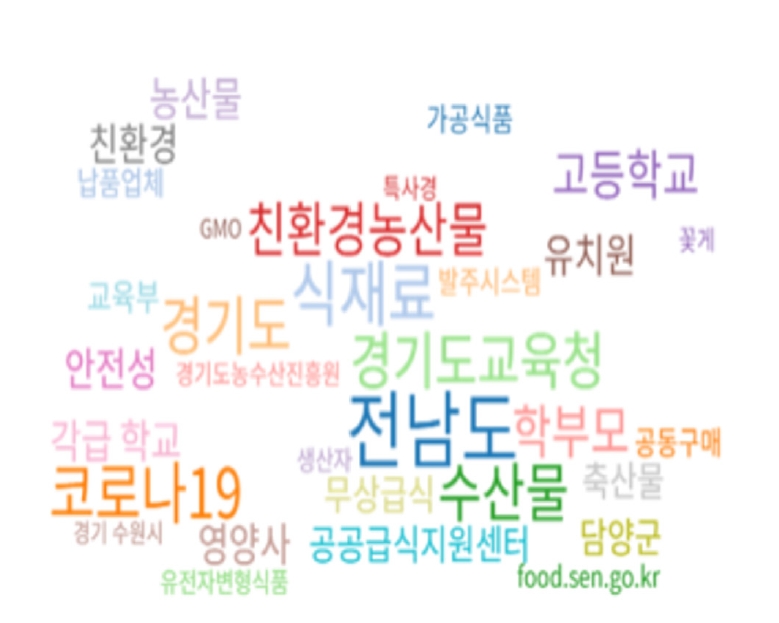
The average age of the parents and students was 40 and 12.5 years, respectively, with 36.4% of the students attending schools in the Seoul and Gyeonggi areas. The main keywords reported in newspaper articles, as analyzed using the Big Kinds platform, were “eco-friendly agricultural products,” “food ingredients,” “safety,” and “marine products.” The perception of kindergarten and school foodservice was very positive, especially regarding the attributes of safe ingredient use (4.44), menu variety (4.29), cafeteria cleanliness (4.31), cleanliness of plates, spoons, and utensils (4.24), thorough hygiene management (4.2), nutritional excellence (4.24), and support for proper eating habits (4.18). The healthiness of school foodservice was highly rated, although there is still room for improvement in terms of “not serving fried foods more than twice a week”. In terms of preference for school meals, the most preferred items were meat side dishes, followed by chicken, noodles, fried food, beverages, and bread. In contrast, soybean paste soup, vegetables, and mixed-grain rice received relatively low preference.
Conclusion
The results described above may be used to develop educational programs or policies that inform students and parents about the goals of school foodservice and help address common misunderstandings.
- 3,406 View
- 54 Download
- [English]
- Associations between diet quality and regional factors in Korea vary according to individuals’ characteristics: a cross-sectional study
- Hyunmi Han, Clara Yongjoo Park, Jeonghwa Lee
- Korean J Community Nutr 2025;30(4):274-285. Published online August 29, 2025
- DOI: https://doi.org/10.5720/kjcn.2025.00157

-
Abstract
PDF
 Supplementary Material
 - Objectives
Although diet quality is known to be associated with environment and individuals’ characteristics, these have not been studied together. We determined the association of diet quality with regional factors stratified by individuals’ sociodemographic characteristics.
Methods
This study used nationally representative survey data on regional factors (2010–2020) and the Korea National Health and Nutrition Examination Survey data on individuals’ sociodemographic characteristics (2013–2018). Community-dwelling Koreans aged ≥ 20 were included (n = 26,853). Regions were categorized into metropolitan cities or provinces and subsequently according to regional factors (level of educational attainment, income per capita, food security status, physical activity facilities, time to the nearest large retailer, and internet use of the region). Individuals’ sociodemographic characteristics included age, education status, income, and number of household members. Diet quality was assessed using the Korean Healthy Eating Index (KHEI).
Results
In the entire population, education status of metropolitan cities was positively associated with the KHEI. Shorter time to retailers and higher internet use were positively associated with the KHEI in metropolitan residents with higher income levels but negatively associated with the KHEI in those with lower income status. Among provincial residents with a low education status or income, regional physical activity facilities were positively associated with the KHEI.
Conclusion
The association between diet quality and regional factors varied depending on the resident’s sociodemographic characteristics. Both regional and individual sociodemographic factors must be considered to address gaps in nutritional equity. -
Citations
Citations to this article as recorded by- Determinants of Metabolic Syndrome Among Rural Older Adults: A Cross-Sectional Analysis of the 2023 Korea National Health and Nutrition Examination Survey
Changhee Lee, Kyeongmin Jang
Journal of Ageing and Longevity.2026; 6(1): 22. CrossRef
- Determinants of Metabolic Syndrome Among Rural Older Adults: A Cross-Sectional Analysis of the 2023 Korea National Health and Nutrition Examination Survey
- 2,762 View
- 43 Download
- 1 Crossref
- [English]
- The impact of flash continuous glucose monitoring and nutrition coaching on dietary self-efficacy and weight management in university students in Korea: a pre-post intervention study
- Soojin Park
- Korean J Community Nutr 2025;30(3):183-196. Published online June 30, 2025
- DOI: https://doi.org/10.5720/kjcn.2025.00073
-
Abstract
PDF
- Objectives
This study aimed to evaluate the impact of a 4-week multicomponent intervention combining flash continuous glucose monitoring (flash-CGM), group nutrition education, and personalized nutrition coaching on dietary self-efficacy (DSE) and weight management in healthy university students.
Methods
A total of 27 university students participated in a pre-post intervention study. The intervention included a single 4-hour group-based nutrition education session, flash-CGM usage (FreeStyle Libre; Abbott Diabetes Care), and weekly one-on-one nutrition coaching. Participants wore the CGM device for 28 days (replaced after 14 days), and were guided in using the FoodLens app (DoingLab) for dietary tracking and a mobile app-linked digital scale for weight monitoring. Outcomes measured before and after the intervention included DSE, body mass index (BMI), nutrition quotient (NQ) and glycemic indicators. Statistical analyses included Wilcoxon signed-rank and Mann-Whitney U-tests with significance set at P < 0.05.
Results
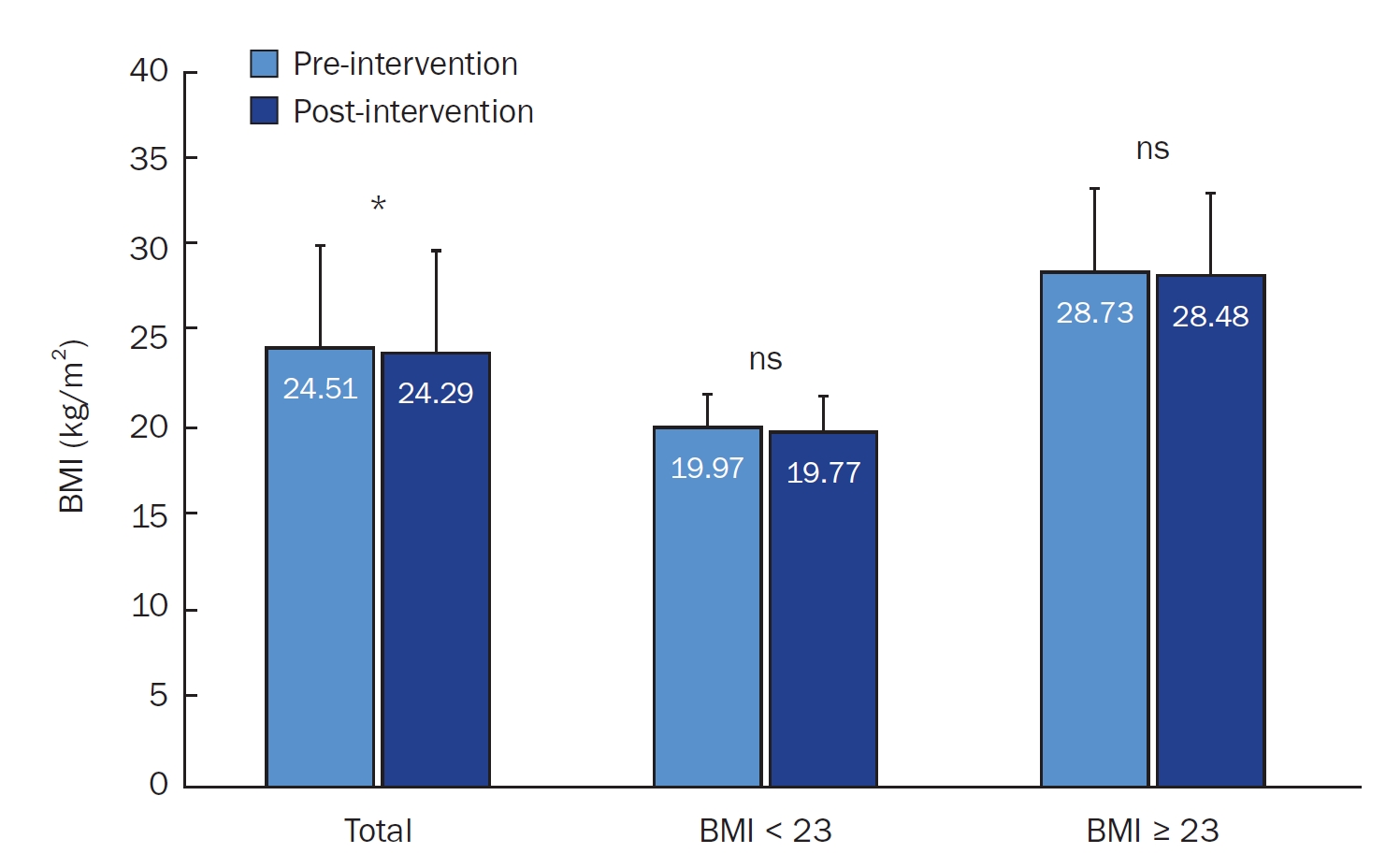
There was a significant increase in DSE (P < 0.05), particularly in managing eating behavior under stress and fatigue. A modest but significant decrease in BMI was observed in the overall group (P < 0.05), though changes were not significant in the BMI ≥ 23 kg/m2 subgroup. Glycemic indicators showed minimal changes. The overall NQ score improved slightly, with significant increases in fruit intake (P < 0.01) and nutrition label checks (P < 0.05). High satisfaction levels (4.52 ± 0.65 on a 5‑point scale) were reported for device usability and coaching services.
Conclusion
The multicomponent intervention improved DSE, NQ scores, and supported modest weight reduction among university students. The combined effect of CGM, nutrition education, and coaching appears promising; however, further studies are needed to isolate the effects of each component and evaluate long-term outcomes. Trial Registration: Clinical Research Information Service Identifier: KCT0010255.
- 2,986 View
- 54 Download
- [English]
- The dietary factors associated with sleep duration in postmenopausal middle-aged women: a cross-sectional study using 2019–2023 Korea National Health and Nutrition Examination Survey data
- Eugene Shim
- Korean J Community Nutr 2025;30(3):197-213. Published online June 30, 2025
- DOI: https://doi.org/10.5720/kjcn.2025.00052

-
Abstract
PDF
- Objectives
This study aimed to analyze dietary factors associated with sleep duration in postmenopausal middle-aged women using data from the Korea National Health and Nutrition Examination Survey (KNHANES), with particular emphasis on the postmenopausal period.
Methods
A total of 3,040 postmenopausal women aged 40–64 years from the 2019–2023 KNHANES were included. Sleep duration was classified into four categories: “appropriate sleep duration” (ASD; 7–9 hours), “short sleep duration” (6–7 hours), “very short sleep duration” (VSSD; < 6 hours), and “long sleep duration” (LSD; > 9 hours). Nutrient and food intake were compared among groups using analysis of covariance. Multinomial logistic and polynomial regression models assessed associations, adjusting for demographic and health covariates.
Results
The VSSD group had higher body mass index and waist circumference than the ASD group, despite lower total energy intake, and also consumed more snack energy and skipped breakfast and dinner more often. This group also had lower intakes of monounsaturated fatty acids and nuts and seeds. In the late menopausal group, greater consumption of cereal grains, fish and shellfish, and beverages was associated with elevated LSD risk. Conversely, higher folate intake in the early menopausal group was inversely associated with VSSD risk. Cholesterol intake was positively associated with LSD risk in both groups. A negative nonlinear association between sleep duration and dietary intake was observed in the early menopausal group when polyunsaturated fatty acid intake exceeded 19.86 g/day and riboflavin intake exceeded 1.76 mg/day. In the late menopausal group, riboflavin intake was strongly correlated with increased LSD risk (odds ratio = 4.776, P = 0.004). Sugar and beverage intake showed a positive linear relationship with sleep duration at average intake levels.
Conclusion
Dietary factors associated with sleep duration differed by postmenopausal period, with specific nutrients and food groups exhibiting variable associations with sleep duration above mean intake levels.meS
- 5,033 View
- 69 Download
- [English]
- Healthy eating intentions among adults in China: a cross-sectional study of northern and southern regions and city tiers based on the theory of planned behavior
- Yi Jiang, Ji-Yun Hwang
- Korean J Community Nutr 2025;30(2):114-126. Published online April 29, 2025
- DOI: https://doi.org/10.5720/kjcn.2025.00087
-
Abstract
PDF
- Objectives
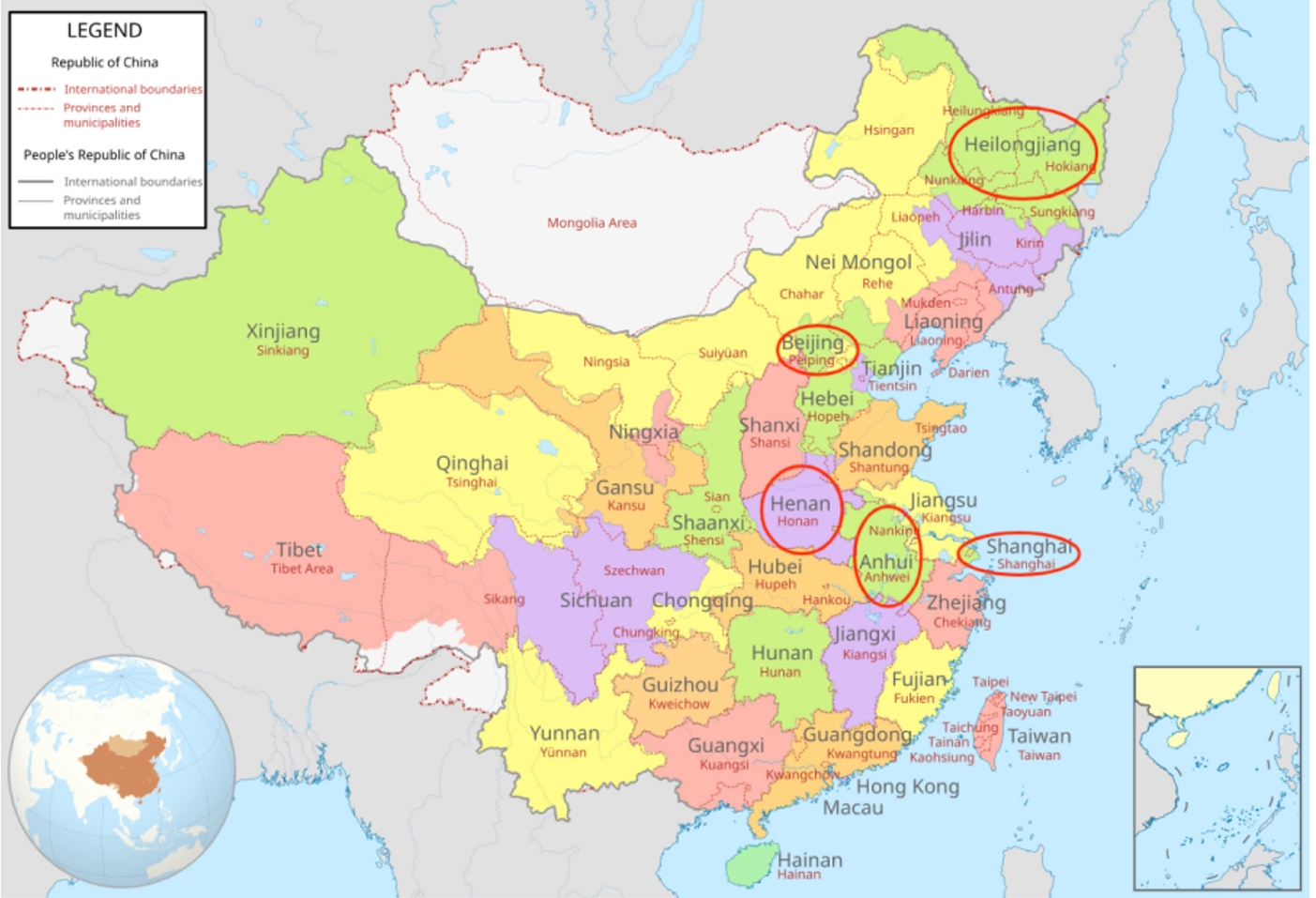
The theory of planned behavior (TPB) has been widely employed to predict healthy eating intentions. Regional differences may affect dietary habits, health status, and personality traits, whereas variations in urbanization influence accessibility to fresh and healthy food, thereby impacting TPB components. This study aimed to explore whether regional differences between northern and southern China including city-tier development are associated with healthy eating intentions among Chinese adults.
Methods
The study included data from 2,114 Chinese adults aged 19–64 years collected between 2019 and 2023. Participants were categorized by geographic region (north or south) and city-tier status (first-tier or other).
Results
Compared to individuals from northern first-tier cities, those from southern regions exhibited stronger attitudes, perceived behavioral control (PBC), and intention to eat healthily. Participants from other cities in the north had more positive attitudes, subjective norms, PBC, and intentions to participate in healthy eating. Furthermore, residents of southern cities revealed weaker subjective norms than those of cities in the north. The adjusted odds ratio (OR) for compliance with intention to engage in healthy eating was higher among participants from other cities in both the north and south compared to those from northern first-tier cities (northern other cities: OR = 2.43, 95% confidence interval [CI]: 1.49–3.97, P < 0.001; southern other cities: OR = 1.95, 95% CI: 1.08–3.51, P = 0.027). No significant differences existed among the subjects from first-tier cities according to their geographic regions. These trends remained consistent even after including the interaction term between geographic regions and city-tier classification.
Conclusion
These findings underscore the complexity of regional variations influencing dietary intentions and indicate that tailored health promotion strategies should incorporate regional characteristics. Future research should explore underlying factors, including regional cultural influences, to better inform policies and interventions. -
Citations
Citations to this article as recorded by- Beyond taste: Unpacking the drivers of plant-based diet adoption
Md. Asaduzzaman Babu
Food and Humanity.2025; 5: 100779. CrossRef
- Beyond taste: Unpacking the drivers of plant-based diet adoption
- 2,943 View
- 39 Download
- 1 Crossref
- [Korean]
- Maternal home meal replacement use and attitudes, and young children’s preferences by usage frequency in meals for young children: a cross-sectional study
- Bo-Yeon Kim, Mi-Hyun Kim, Jee-Young Yeon
- Korean J Community Nutr 2025;30(2):163-172. Published online April 29, 2025
- DOI: https://doi.org/10.5720/kjcn.2025.00066
-
Abstract
PDF
- Objectives
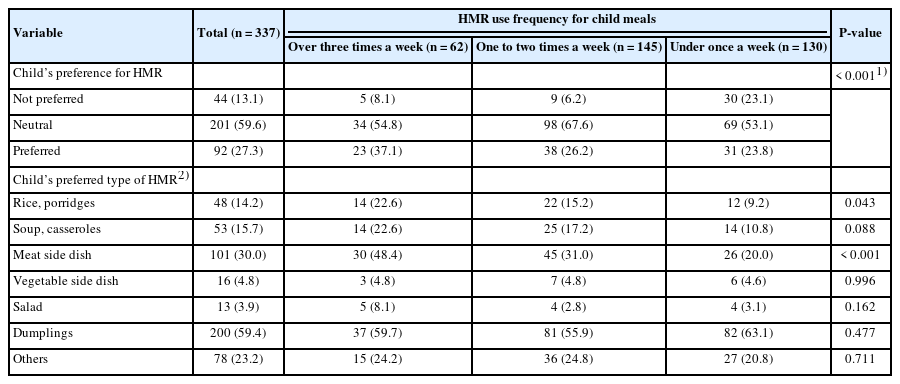
With the increase in women’s workforce participation and changing family eating habits, home meal replacements (HMRs) have become more prevalent. However, research on how mothers incorporate HMR into meals of young children remains limited. This study examined mothers’ attitudes toward and use of HMR, as well as their association with young children’s HMR preferences.
Methods
A survey was conducted between June 1 and July 3, 2020, involving 337 mothers of 5-year-old children in Sejong, South Korea. The questionnaire assessed mothers’ perceptions of HMR, consumption patterns, and their children’s preferences for HMR.
Results
The average age of participating mothers was 38.3 years, with 93.2% living in nuclear families. Full-time homemakers constituted 40.1% of the respondents and showed lower HMR usage among them. HMR was primarily consumed as late-night snacks, side dishes, and dinners, with large discount stores (81.6%) being the primary purchase location. The high HMR consumption group exhibited more positive attitudes toward HMR (P < 0.001). HMR types varied in consumption frequency. Among ready-to-eat foods, kimbap (38.3%) was the most common, followed by meat side dishes (11.3%) and salads (11.0%). Among the heat-and-eat items, dumplings were the most frequently consumed. Simple cooking kits for Korean street food were used by 56.5% of mothers in the high-frequency HMR group, compared to 38.6% and 29.2% in the lower consumption groups (P < 0.01). Children’s preference for HMR was significantly associated with maternal HMR consumption frequency (P < 0.001). The most preferred items among children were rice porridge (P < 0.05) and meat side dishes (P < 0.001).
Conclusion
Higher maternal HMR consumption was associated with increased acceptance by children. Mothers who frequently used HMR exhibited more positive attitudes toward its palatability, convenience, nutritional value, and variety. While HMR offers diverse and tasty meal options, overreliance on processed foods warrants caution. Importantly, high HMR consumption during early childhood may influence long-term dietary behaviors, including a continued preference for HMRs.
- 2,299 View
- 44 Download
- [Korean]
- A study on regional differences in dietary behaviors and satisfaction in Korea focusing on urban and rural comparisons: a cross-sectional study
- Jong-Youn Rha, Sohyun Kim, Hae-Rang Lee, Juhyeon Kil
- Korean J Community Nutr 2025;30(2):140-149. Published online April 29, 2025
- DOI: https://doi.org/10.5720/kjcn.2024.00262
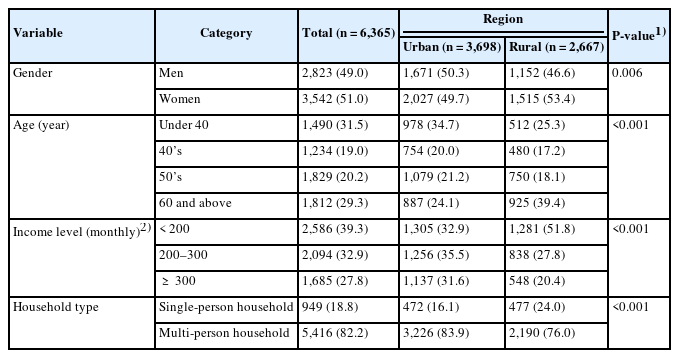
-
Abstract
PDF
- Objectives
This study aims to examine regional differences in dietary behavior and satisfaction between urban and rural residents in Korea, identifying key factors associated with dietary satisfaction in each group to deepen understanding of these variations.
Methods
The data were obtained from the Consumer Behavior Survey for Food 2022 by the Korea Rural Economic Institute. The analysis involved 6,365 adult participants, using the complex survey χ2-test and complex survey t-tests to compare dietary behavior across regions and complex survey regression analysis to explore factors related to dietary satisfaction. Data were analyzed with R 4.3.1 (for macOS; Posit PBC).
Results
Urban and rural areas differed in consumer characteristics such as gender, age, income, and household type, as well as in food consumption behaviors and in dietary competencies associated with purchasing and intake. Specifically, dining out and processed food consumption were more prevalent in urban areas, whereas home-cooked meals were more frequent in rural areas. Overall, dietary competencies were higher among urban residents. However, there was no significant difference in dietary satisfaction between the two regions. This finding suggests that satisfaction is based on subjective evaluations, with consumers in each region forming satisfaction in ways that align with their environment and lifestyle. Accordingly, the factors contributing to dietary satisfaction differed by region. In urban areas, information utilization competency and maintaining a balanced diet played a significant role in dietary satisfaction, whereas in rural areas, regular mealtimes were more influential. Urban consumers reported higher dietary satisfaction when meals provided a sense of appropriate convenience, whereas rural consumers showed greater satisfaction when meals were shared with family at home.
Conclusion
The findings indicate regional differences in food consumption behaviors and dietary competencies, as well as variations in how consumers achieve dietary satisfaction. These insights provide a foundation for developing dietary policies and programs aimed at improving dietary satisfaction.
- 2,402 View
- 73 Download
- [English]
- Relationship between self-care and health-related behaviors among Korean adults: a cross-sectional study
- EunJung Lee, Jin A Jang, Ji-Myung Kim
- Korean J Community Nutr 2025;30(2):103-113. Published online April 29, 2025
- DOI: https://doi.org/10.5720/kjcn.2024.00255

-
Abstract
PDF
- Objectives
This study investigated the relationship between self-care and health-related behaviors such as medication use, dietary supplementation, dietary habits, and physical activity among Koreans aged 20–60 years.
Methods
Data from a total of 300 participants (150 men and 150 women) living in Seoul and Gyeonggi provinces in Korea were analyzed to assess the relationship between health behaviors and dietary supplements (DSs) related to self-care. Based on self-care levels, the participants were classified into three groups: low (LS, n = 124), medium (MS, n = 78), and high (HS, n = 98).
Results
DSs (P < 0.001), physical activity (P < 0.001), recognizing the perceived health benefits of self-care (P < 0.001), self-care when sick (P = 0.039), and the reasons for self-care (P = 0.028) differed among the self-care groups. Daily diet frequency (P = 0.001), breakfast frequency (P = 0.026), regular exercise (P < 0.001), DSs use rate (P < 0.001), DSs use frequency (P = 0.013), and total dietary behavior score (P < 0.001) also differed significantly depending on the degree of self-care. The degree of self-care was significantly and positively correlated with DSs intake (r = 0.377, P < 0.001), physical activity (r = 0.433, P < 0.001), and total dietary behavior score (r = 0.185, P < 0.01).
Conclusion
The results demonstrated that the degree of self-care was related to DSs, physical activity, and total dietary behavior scores in Korean adults. Additionally, self-care capacity should be increased through health-related behaviors based on health education programs. -
Citations
Citations to this article as recorded by- Current status and global trends in self-care among patients with heart failure: challenges and opportunities
Barbara Riegel, Christopher S. Lee, Tiny Jaarsma, Anna Stromberg
The Journal of Cardiovascular Aging.2026;[Epub] CrossRef - Factors Associated With Dietary Supplement Use by Sex Among Korean Adults: A Cross-Sectional Study Using Big Data
Myung-Ock Chae
INQUIRY: The Journal of Health Care Organization, Provision, and Financing.2026;[Epub] CrossRef
- Current status and global trends in self-care among patients with heart failure: challenges and opportunities
- 4,092 View
- 73 Download
- 2 Crossref
- [Korean]
- Application of a living lab model to an evidence-based reduced-sodium healthy eating practice program in Korea: a pre-post study
- Jung-Hyun Kim, Eugene Shim, Min Sook Kyung, Sooyoun Kwon, Hyoung Su Park, Jae-Heon Kang
- Korean J Community Nutr 2025;30(1):53-63. Published online February 28, 2025
- DOI: https://doi.org/10.5720/kjcn.2024.00346
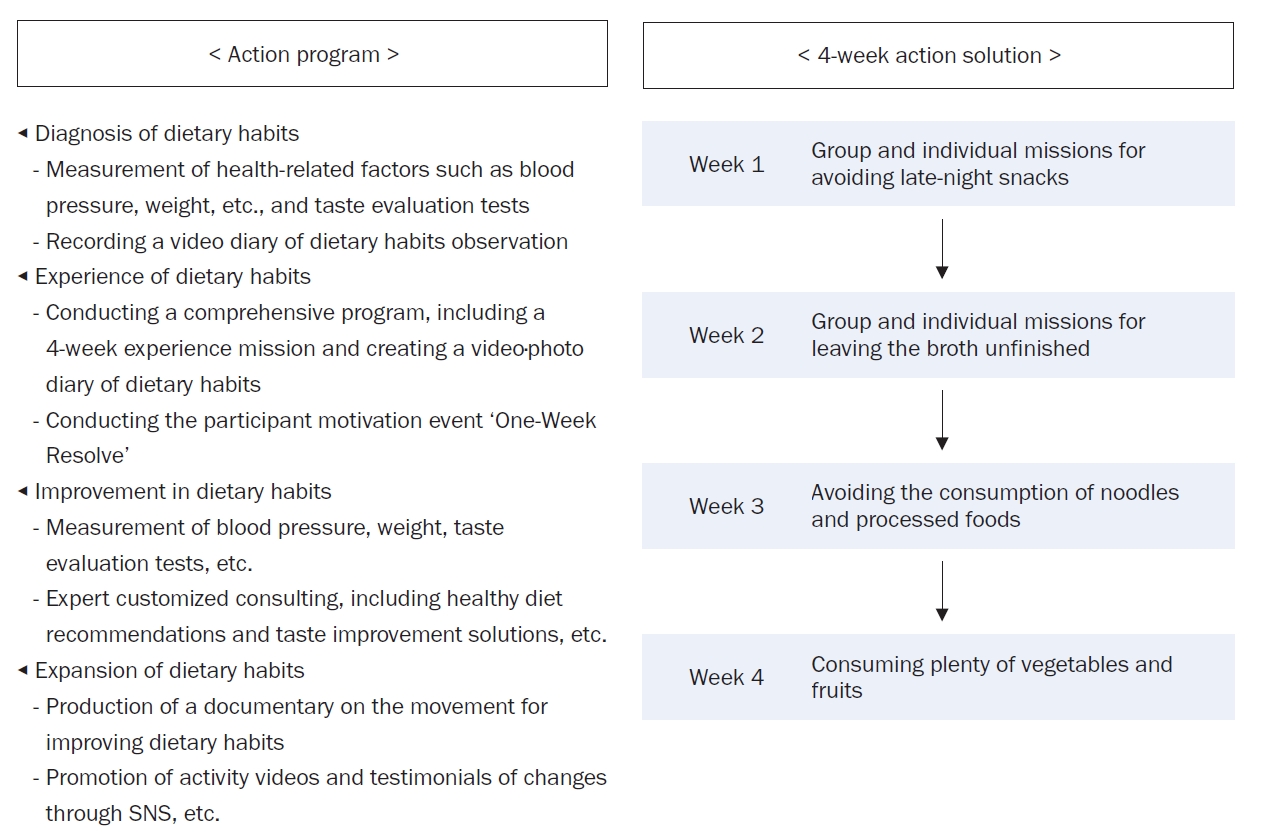
-
Abstract
PDF
- Objectives
To apply a healthy dietary program with reduced sodium intake, developed using data from the Korea National Health and Nutrition Examination Survey (KNHANES), focusing on the sodium intake level and eating patterns.
Methods
The program was implemented using a living lab model, an open innovation ecosystem for user-centered problem-solving. Analysis of the KNHANES data revealed that older age groups had a low energy intake but a high sodium intake, particularly among those who frequently dined out. The program was designed to improve sodium-reduction literacy and enhance practical competency. Over four weeks, 40 participants tracked their dietary intake and worked with a clinical nutritionist through a process of diagnosis, experience, improvement, and expansion. A self-administered survey was conducted before and after the program to assess effectiveness.
Results
Participants were four teenagers (10%), 26 in their twenties (65%), and 10 aged ≥ 30 years (25%), with eight males (20%) and 32 females (80%). Post-program analysis showed significant improvements in sodium-related nutrition knowledge (P < 0.01), with increased agreement on adopting low-sodium intake practices (e.g., interest in sodium content, choosing lower-sodium foods). Nutrient intake analysis showed a decrease in energy, carbohydrates, lipids, and proteins (P < 0.001), with sodium intake decreasing from 3,382.37 mg/d to 2,119.05 mg/d (P < 0.001).
Conclusion
The community-based, living lab model for the sodium-reduction program effectively improved participant sodium-reduction literacy and practical competency, suggesting that step-by-step, autonomous learning, can reduce sodium intake and promote healthier eating habits. -
Citations
Citations to this article as recorded by- Influence of food literacy on short- and long-term healthy eating intentions among adolescent and adult convenience store users: An application of the extended theory of planned behavior
Wonyeong Park, Hae Jin Park, Suah Moon, Jieun Oh
Nutrition Research and Practice.2025; 19(6): 917. CrossRef
- Influence of food literacy on short- and long-term healthy eating intentions among adolescent and adult convenience store users: An application of the extended theory of planned behavior
- 3,125 View
- 76 Download
- 1 Crossref
- [Korean]
- Analysis of pork consumption attribute factors by consumer lifestyle in Korea: a cross-sectional study
- Jounghee Lee, Juhyun Lee, Wookyoung Kim
- Korean J Community Nutr 2025;30(1):75-88. Published online February 28, 2025
- DOI: https://doi.org/10.5720/kjcn.2024.00332
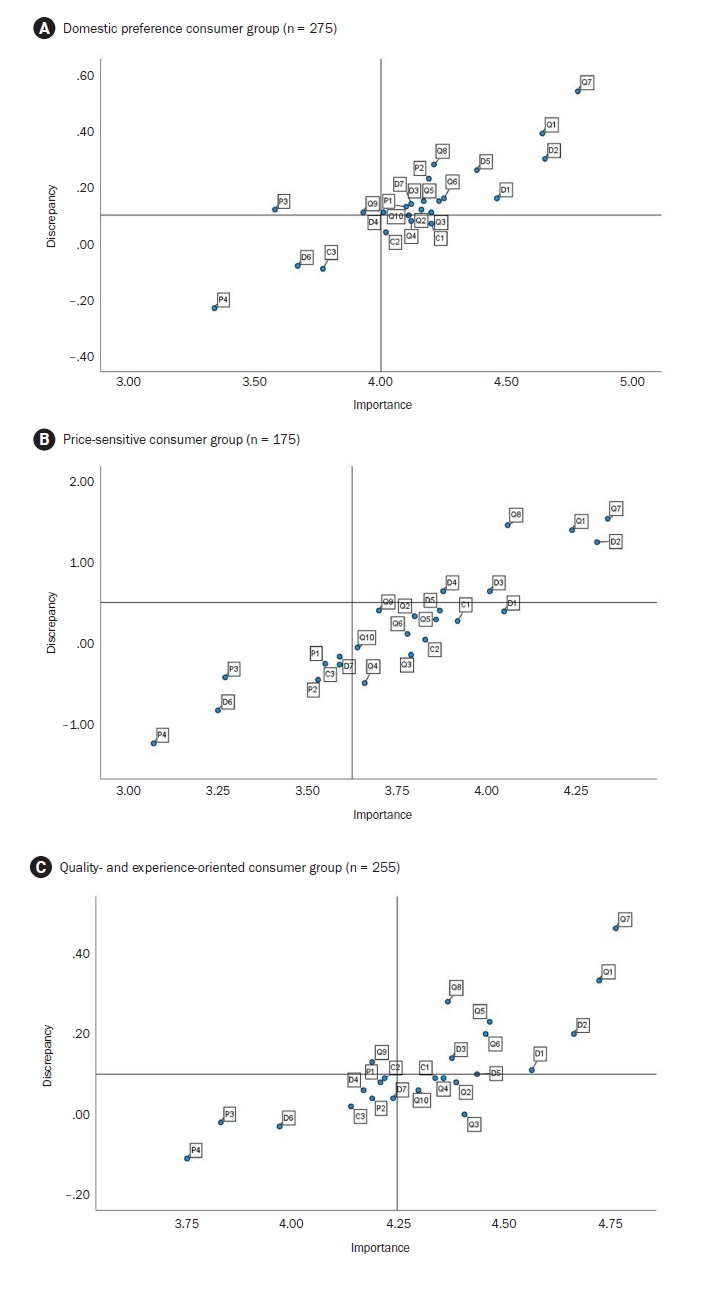
-
Abstract
PDF
- Objectives
This study aims to identify and analyze how different South Korean lifestyles impact attitudes towards pork consumption.
Methods
We implemented a cross-sectional survey targeting 705 adult consumers in South Korea using hierarchical and K-means cluster analyses. Respondents were classified into three relevant lifestyles: (1) domestic preference, (2) price-sensitive, and (3) quality-experience-oriented. The importance-performance analysis was employed to evaluate discrepancies between how they rated pork consumption using factors of “importance” and “satisfaction”. We employed Borich’s needs assessment and the Locus for Focus model to prioritize management areas.
Results
The research findings highlight that unpleasant odor/smell (Q7) and hygiene (Q1) were common key areas for management across all consumer groups, emphasizing their importance in enhancing pork consumption satisfaction. Among the groups, the domestic preference group showed high importance-performance discrepancies in attributes like expiry date (D2), suggesting a need for strengthened trust in domestic pork distribution and information transparency. The price-sensitive group prioritized economic factors, with fat thickness (Q8) identified as an essential management area. The quality-experience-oriented group emphasized sensory qualities such as juiciness (Q6) and meat color (Q5), with off-flavors (Q7) displaying the largest discrepancy. These results show the significant role of sensory attributes in consumer satisfaction.
Conclusion
This study demonstrated the multidimensional nature of pork consumption behavior, emphasizing the need for tailored strategies across consumer groups. Managing hygiene (Q1) and reducing off-flavors (Q7) are critical for all segments, while group-specific strategies include managing sensory quality for the quality-experience-oriented group, providing product information (D2) to increase trust for the domestic preference group, and emphasizing value for money for the price-sensitive group.
- 2,690 View
- 49 Download
- [English]
- Nutrition quotient for preschoolers and key impacting factors in Korea: a cross-sectional study on food literacy, social support, and the food environment of primary caregivers
- Danbi Gwon, Ji-Yun Hwang, Jieun Oh
- Korean J Community Nutr 2025;30(1):16-26. Published online February 28, 2025
- DOI: https://doi.org/10.5720/kjcn.2024.00311
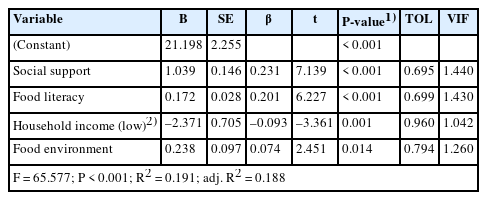
-
Abstract
PDF
- Objectives
This study evaluated the nutrition quotient for preschoolers (NQ-P) and analyzed the impact of key factors, such as caregivers’ food literacy, social support, and food environment, on the eating habits of preschool children in Korea. This study also sought to provide foundational data for developing tailored nutrition education programs by identifying the nutrition education needs of caregivers.
Methods
This study was conducted among caregivers of preschool children (aged 0–6 years) using an online self-administered survey conducted from August 22 to August 28, 2023. A total of 1,116 survey responses were analyzed. This study assessed children’s NQ-P score, caregivers’ food literacy, social support, food environment, and nutritional education needs. Data were analyzed using SPSS 29.0 (IBM Co.).
Results
The average NQ-P score for preschool children was 52, showing a tendency for the balance score to decrease and the moderation score to increase with age. Children from rural and low-income areas exhibited significantly lower NQ-P scores. Caregivers’ food literacy was higher in urban and higher-income groups. Multiple regression analysis revealed that social support, food literacy, income, and food environment significantly affected children's NQ-P scores. The effectiveness of nutrition education varied based on the income level, with nutrition education on healthy eating being the most preferred topic for preschool children.
Conclusion
This study confirmed that caregivers’ food literacy and social support significantly affected preschool children’s nutritional status. This suggests a need for tailored nutritional education and dietary support policies, particularly for low-income and rural populations. -
Citations
Citations to this article as recorded by- Cluster-Based Evaluation of Dietary Guideline Adherence and Food Literacy Among Adolescents: Implications for Tailored Diets
Jimin Lim, Jieun Oh
Nutrients.2026; 18(2): 241. CrossRef - Development and usability evaluation of a web-based healthy eating practice questionnaire for Korean preschool children: a child–parent dyad approach
Young-Hee Han, Dawon Park, Dahyeon Kim, Saerom Shin, Eun Yeol Woo, Hye-Kyung Park, Taisun Hyun
Nutrition Research and Practice.2026; 20(1): 132. CrossRef - Nutrition literacy and socio-demographic determinants among Chinese women of childbearing age
Jing-Jing Meng, Jun Chen, Li Pu, Yan Zhu, Yan Zuo, Fang Wang, Li Chang, Yi-Ying He, Jian-Jun Zhang, Zhi-Lan Bai, Si-Qin Sun, Jie Liu, Jia Shi
Frontiers in Public Health.2026;[Epub] CrossRef - Dietary intake and eating behaviors by weight status among rural preschool children: NQ-P analysis
Ji-Sook Park, Hyojung Lee, Jaehee An, Jung-Eun Yim
Journal of Nutrition and Health.2026; 59(1): 63. CrossRef - The transition of nutritional status in infants, young children, and school-aged children in Korea and future-oriented nutritional strategies: a narrative review
Yoonna Lee
Korean Journal of Community Nutrition.2026; 31(2): 115. CrossRef - Exploring predictors of low nutritional literacy in maintenance hemodialysis patients: a machine learning and network analysis approach
Ling Yao, Yanling Liu, Xufeng Tan, Sisi Chen, Yanchun Fang
Frontiers in Public Health.2026;[Epub] CrossRef - Effects of primary caregivers’ food literacy, social support, food environment, and household income on the nutritional status of school-aged children: a cross-sectional study
Seyeon Park, Ji-Yun Hwang, Sohyun Park, Hyun Joo Ryou, Jieun Oh
Korean Journal of Community Nutrition.2025; 30(5): 352. CrossRef
- Cluster-Based Evaluation of Dietary Guideline Adherence and Food Literacy Among Adolescents: Implications for Tailored Diets
- 5,048 View
- 88 Download
- 7 Crossref
- [English]
- Effects of a multi-component program based on partially hydrolyzed guar gum (Sunfiber®) on glycemic control in South Korea: a single-arm, pre-post comparison pilot clinical trial
- Hyoung Su Park, A-Hyun Jeong, Hyejung Hong, Hana Jang, Hye-Jin Kim
- Korean J Community Nutr 2025;30(1):40-52. Published online February 28, 2025
- DOI: https://doi.org/10.5720/kjcn.2024.00276
- Correction in: Korean J Community Nutr 2025;30(2):173

-
Abstract
PDF
- Objectives
The aim of this study was to assess the impact of a multi-component program, including partially hydrolyzed guar gum (PHGG, Sunfiber®) supplementation, on glycemic control, gut health, and nutritional status to support diabetes prevention and management among Korean adults.
Methods
A single-arm trial was conducted with 29 adults (aged 20-55 years) with fasting plasma glucose (FPG) ≥ 100 mg/dL. Over a six-week period, participants engaged in a multi-component program that incorporated the supplementation of PHGG (Sunfiber®, 12.5 g/day), weekly nutritional coaching, and the use of continuous glucose monitoring devices. The program’s effectiveness was evaluated by measuring FPG and glycated hemoglobin (HbA1c) levels through blood tests conducted before and after the intervention. Improvements in gut health were gauged using the Korean Gut Quotient Measurement Scales, while enhancements in nutritional status were assessed using the Nutrition Quotient (NQ) and surveys that evaluated improvements in gut health and nutritional status.
Results
Participants’ average age was 43.89 years, with approximately 80% being male. Most participants (about 75%) were classified as overweight or obese. After six-weeks, 17 participants who adhered closely to the program (meeting certification criteria) exhibited significant reductions in key blood glucose markers. FPG levels decreased from 113.06 ± 23.16 mg/dL to 106.24 ± 16.33 mg/dL (P < 0.05), and HbA1c levels decreased from 6.08% ± 0.81% to 5.87% ± 0.53% (P < 0.05). The NQ evaluation revealed significant increases in comprehensive nutrition scores, and in the balance and practice domain scores for all participants (P < 0.05). Furthermore, in the gut health survey, approximately 82.1% of all participants reported experiencing positive changes.
Conclusion
Among adults with elevated FPG levels, a multi-component intervention program that included PHGG (Sunfiber®) supplementation, structured dietary management, and the use of health-monitoring devices showed significant benefits in improving glycemic control, overall nutritional status, and gut health. Trial Registration: Clinical Research Information Service Identifier: KCT0010049. -
Citations
Citations to this article as recorded by- Comparative analysis of dietary and lifestyle habits according to the prediabetic status in young adults
Joungyoon Seo, SeongHee Shin, Yuri Kim, Yoo Kyoung Park
Journal of Nutrition and Health.2025; 58(5): 468. CrossRef - Partially Hydrolyzed Guar Gum Combined with a Low-Fat Diet Ameliorates Type 2 Diabetes Mellitus via Modulating Gut Microbiota and Fecal Metabolites
Zhiqiang Cao, Hongxia Li, Quantao Cai, Li Chen, Liangzhong Liu, Yuhan Tang, Zhe Zhu, Ping Yao
Nutrients.2025; 17(23): 3746. CrossRef
- Comparative analysis of dietary and lifestyle habits according to the prediabetic status in young adults
- 10,333 View
- 55 Download
- 2 Crossref
- [Korean]
- Co-occurrence network and pattern of school lunch using big data and text-mining using data from the 2021–2023 school meal menu information on the NEIS open educational information portal: an exploratory study
- Hyeyun Kang, Jimi Kim
- Korean J Community Nutr 2024;29(6):514-527. Published online December 31, 2024
- DOI: https://doi.org/10.5720/kjcn.2024.00297
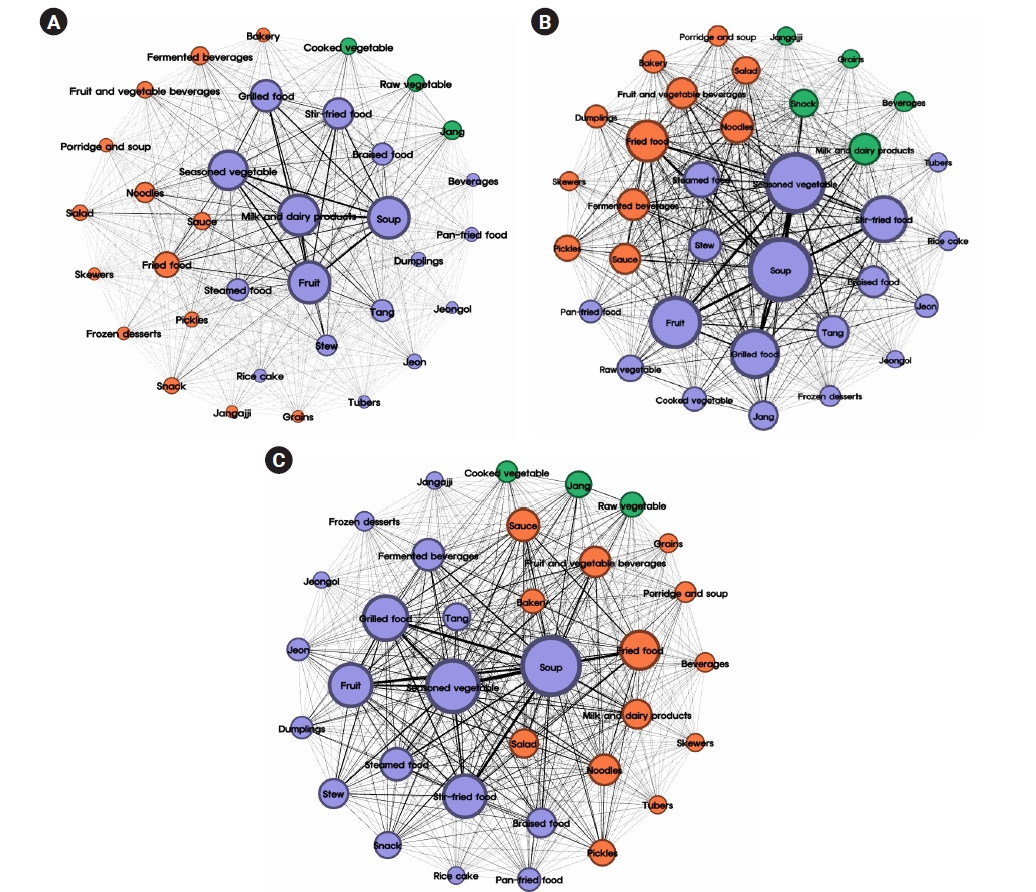
-
Abstract
PDFSupplementary Material
- Objectives
This study aimed to use big data from elementary, middle, and high school lunches to determine the primary food groups and menu items that contribute to lunch meals through text-mining and investigate the variations in food groups and menu composition patterns across different grade levels.
Methods
Between 2021 and 2023, a total of 7,892,456 lunch menus from 17 cities and provinces in South Korea were analyzed using big data from the National Education Information System (NEIS) system. After undergoing text preprocessing for text-mining, the collected menus were classified into 34 food groups based on primary ingredients and cooking methods, excluding the types of rice and kimchi. Subsequently, analyses of term frequency, term frequency-inverse document frequency (TF-IDF), centrality, and co-occurrence networks were performed on the food group and menu data.
Results
According to the TF-IDF, the most frequent food group across all grade levels was soup and seasoned vegetables, whereas milk was the most frequently provided menu. As the grade level increased, the frequency of grilled and fried food increased. In elementary schools, fruits exhibited the highest centrality, whereas soup had the highest centrality in middle and high schools. Co-occurrence frequency revealed that the soup-fruit combination was the most common in elementary schools, whereas soup and seasoned vegetables were most frequently paired in middle and high schools. The co-occurrence network of food groups and menus further indicated that menus regularly provided as standard meals and those frequently offered as special meals formed distinct communities.
Conclusion
This study investigated the food groups and menu provision patterns in school meals through text-mining techniques applied to large-scale school lunch. The findings may contribute in enhancing the quality of nutritional management, school foodservice, and menu composition of school meal programs. -
Citations
Citations to this article as recorded by- Dietary patterns and diet quality among adults in their 20s according to rice consumption: a co-occurrence network analysis using the Korea National Health and Nutrition Examination Survey (KNHANES) 2019–2021
Eun-kyung Kim, Jin-Young Lee, Yong-Seok Kwon, Minji Kang
Journal of Nutrition and Health.2025; 58(6): 571. CrossRef
- Dietary patterns and diet quality among adults in their 20s according to rice consumption: a co-occurrence network analysis using the Korea National Health and Nutrition Examination Survey (KNHANES) 2019–2021
- 3,341 View
- 73 Download
- 1 Crossref
Research Note
- [English]
- A pilot investigation of a combined food literacy and exercise program for college students: a one-group pre-post intervention study
- Minjeong Jeong, Jinhyun Kim, Dahye Han, Eunjin Jang, Kyoungho Choi, Sohyun Park
- Korean J Community Nutr 2024;29(6):455-466. Published online December 31, 2024
- DOI: https://doi.org/10.5720/kjcn.2024.00248
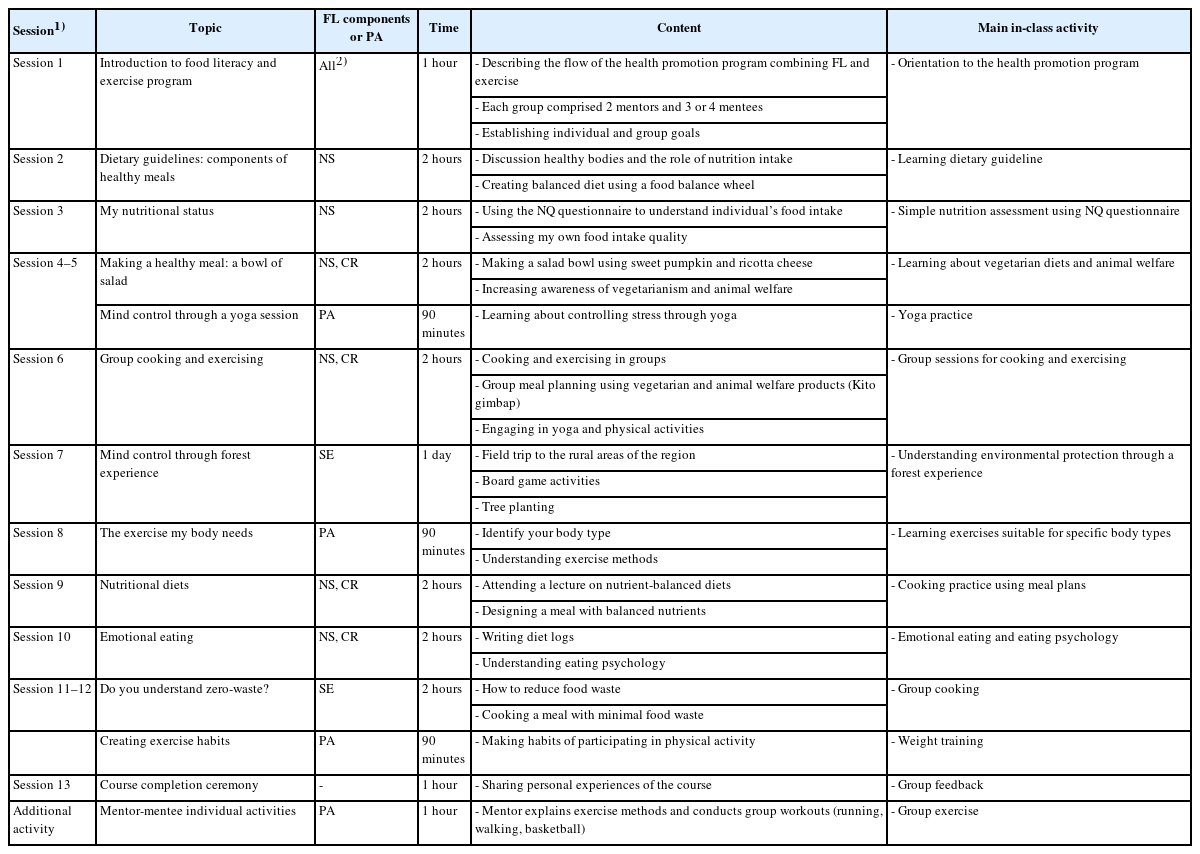
-
Abstract
PDF
- Objectives
A campus-based intervention to enhance food literacy (FL) and establish exercise habits among college students was developed and the program’s effectiveness was evaluated.
Methods
The 13-session program was developed based on the transtheoretical model and social cognitive theory. Junior and senior students majoring in food and nutrition and physical education were asked to participate as mentors, with freshmen and sophomores from varied majors as mentees. The program encompassed food, nutrition, and exercise lessons including cooking sessions. Data were collected via pre- and post-program surveys using a questionnaire consisting of items on FL and nutrition behaviors and physical fitness measurements.
Results
Among 39 participants (35.9% male, 64.1% female), the overall FL score increased significantly from 64.1 to 70.6 post-program (P = 0.001). Significant increases were observed in the nutrition and safety (P < 0.001), cultural and relational (P = 0.023), and socio-ecological (P = 0.001) domains, as well as knowledge (P = 0.001), self-efficacy (P = 0.013), attitude (P < 0.001), and behavior (P = 0.005) items in three domains of FL. Additionally, meal duration increased significantly (P = 0.007) and sit-up performance among female showed a meaningful change (P = 0.046). Changes in dietary behaviors significantly progressed (P = 0.015) while that in exercise habits approached a marginal significance (P = 0.053) after the intervention.
Conclusion
The results reveal positive changes in FL and some modifications in eating habits, although the program had limited effects on physical activity and fitness measurements. These findings suggest that strategic approaches to foster exercise behavior changes in college students are required. This pilot program can serve as foundational data for improving and expanding multicomponent health promotion programs for this population. -
Citations
Citations to this article as recorded by- Food literacy as a moderator in the relationship between food security and dietary diversity among adults in Seoul: based on the 2021–2023 Seoul Food Survey
Minjeong Jeong, Jinhyun Kim, Dahye Han, Eunseo Lee, Eunjin Jang, Sarang Jeong, Sohyun Park
Nutrition Research and Practice.2026; 20(3): 490. CrossRef - The Dragon Fruit Advantage: Exploring University Students’ Experiences and Perceptions of a Targeted Nutrition Education Module
Adelfa Silor, Faith Stephanny C. Silor
Seminars in Medical Writing and Education.2025; 4: 924. CrossRef
- Food literacy as a moderator in the relationship between food security and dietary diversity among adults in Seoul: based on the 2021–2023 Seoul Food Survey
- 3,615 View
- 69 Download
- 2 Crossref
Research Articles
- [English]
- Factors associated with malnutrition in demented and non-demented elderly residing in the community of Korea: a cross-sectional descriptive and analytical study
- Jinhee Kwon, Jung Hee Kim, Hyeonjin Jeong, Jung Suk Lee
- Korean J Community Nutr 2024;29(5):359-371. Published online October 31, 2024
- DOI: https://doi.org/10.5720/kjcn.2024.00013

-
Abstract
PDF
- Objectives
This study aimed to investigate and compare factors associated with malnutrition according to the presence or absence of dementia in community-dwelling elderly people.
Methods
Needs assessment data from 311 long-term care insurance (LTCI) recipients (dementia group 203; non-dementia group 108) that participated in the second pilot program of the integrated care model in community care settings under the Korean LTCI system were used. Descriptive statistical analysis, independent t-test, and analysis of variance were conducted on the sociodemographic characteristics, health and functional status, and nutritional status of the dementia and non-dementia groups. Logistic regression analysis was conducted to identify factors associated with malnutrition in the dementia and non-dementia groups.
Results
Malnutrition occurred in 33.5% and 26.9% of participants in the dementia and non-dementia groups, respectively. In the dementia group, living with family rather than living alone (odds ratio [OR]: 3.81; 95% confidence interval [CI]: 1.50–9.66; P = 0.031), increase in Korean Activities of Daily Living (K-ADL) score (OR: 1.35; 95% CI: 1.17–1.55; P < 0.001), and increase in the Neuropsychiatric Inventory-Questionnaire score (OR: 1.02; 95% CI: 1.01–1.03; P = 0.005) were associated with a higher risk of malnutrition. In the non-dementia group, the risk of malnutrition increased as the K-ADL score increased (OR: 1.20; 95% CI: 1.04–1.39; P = 0.011) and in the depressed group (OR: 2.84; 95% CI: 1.04–7.74; P = 0.042).
Conclusions
The study results confirmed the necessity of nutritional management for community-dwelling LTCI recipients. When developing a nutritional management program, considering the differences in factors related to malnutrition between the dementia and non-dementia groups is important. This study proposes policies for improving the LTCI system in terms of nutritional management and the utilization of community resources. -
Citations
Citations to this article as recorded by- Prevalence of Sarcopenia and Its Association with Nutrition Risk in Community-Dwelling Older Adults with Subjective Cognitive Impairment or Living in Retirement Homes
Raksha Aravind, Heather H. Keller
Nutrients.2026; 18(16): 2733. CrossRef
- Prevalence of Sarcopenia and Its Association with Nutrition Risk in Community-Dwelling Older Adults with Subjective Cognitive Impairment or Living in Retirement Homes
- 2,988 View
- 77 Download
- 1 Crossref
- [English]
- Outcome expectations, self-efficacy, eating environment, and eating behaviors by the stages of change in adequate sodium intake among university students: a cross-sectional study
- Yeon Gyu Im, Kyung Won Kim
- Korean J Community Nutr 2024;29(5):382-395. Published online October 31, 2024
- DOI: https://doi.org/10.5720/kjcn.2024.00010

-
Abstract
PDF
- Objectives
This study investigated whether outcome expectations, self-efficacy, eating environment, and eating behaviors differed according to the stages of change in adequate sodium intake among university students. Methods: The participants were students recruited from nine universities in Seoul, Korea. An online survey was conducted, and data from 351 participants were analyzed. Participants were classified into pre-action and action stages based on adequate sodium intake. Data were analyzed using t-test, χ2-test, analysis of covariance, and correlation analysis. Results: Participants in the action stage (22.8%) felt fewer disadvantages of eating sodium adequately compared to those in the pre-action stage (77.2%, P < 0.001) and perceived more self-efficacy for healthy eating behaviors (P < 0.001) and controlling sodium intake (P < 0.01). The participants in the action stage also showed more desirable eating behaviors than those in the pre-action stage, including general eating behaviors, behaviors related to sodium intake, and sodium checks (P < 0.001). The physical environment in the action stage was more supportive of adequate sodium intake (P < 0.05). Eating behaviors, self-efficacy, and outcome expectations were significantly correlated with the stages of change; however, some differences were noticed in the correlation of the subscales of variables with the stages of change when examined by sex. Conclusion: We observed differences in factors according to the stages of change in adequate sodium intake. For the pre-action stage, nutrition education can be planned to modify negative expectations of eating adequate sodium, foster self-efficacy, and practice general eating behaviors and behaviors to gradually reduce sodium intake. It is also necessary to alter the physical environment to reduce sodium intake. In the action stage, support and reinforcement are needed to continually practice and maintain desirable eating behaviors. Nutrition education for women may be planned using multiple paths, whereas a simple strategy may be useful for men. -
Citations
Citations to this article as recorded by- Impact of a foodservice establishment manager’s willingness to perform duties on hygiene management levels and the mediating effects of extrinsic motivations: a cross-sectional study
Tae Yang Kim, Mi Young Lee, Young Eun Lee
Korean Journal of Community Nutrition.2026; 31(1): 36. CrossRef - Psychosocial factors related to the stages of change in reducing sugar intake among adults in Seoul, Korea: a cross-sectional study
Ju Young Lee, Kyung Won Kim
Korean Journal of Community Nutrition.2026; 31(1): 21. CrossRef - Why risk persists: A social cognitive theory–based explanation of raw-fish consumption in clonorchiasis-endemic areas
Si-Yue Huang, Qing-Sheng Zeng, Ju-Ying Yuan, Lai-De Li, Jiong-Hui Zhong, Ying-Si Lai
Acta Tropica.2026; 281: 108241. CrossRef
- Impact of a foodservice establishment manager’s willingness to perform duties on hygiene management levels and the mediating effects of extrinsic motivations: a cross-sectional study
- 3,711 View
- 54 Download
- 3 Crossref
- [Korean]
- An educational needs analysis of sustainable dietary education for nutrition teachers: an application of the IPA, Borich needs assessment and The locus for focus model
- Eunseo Yang, Borham Yoon
- Korean J Community Nutr 2024;29(5):372-381. Published online October 31, 2024
- DOI: https://doi.org/10.5720/kjcn.2024.00008
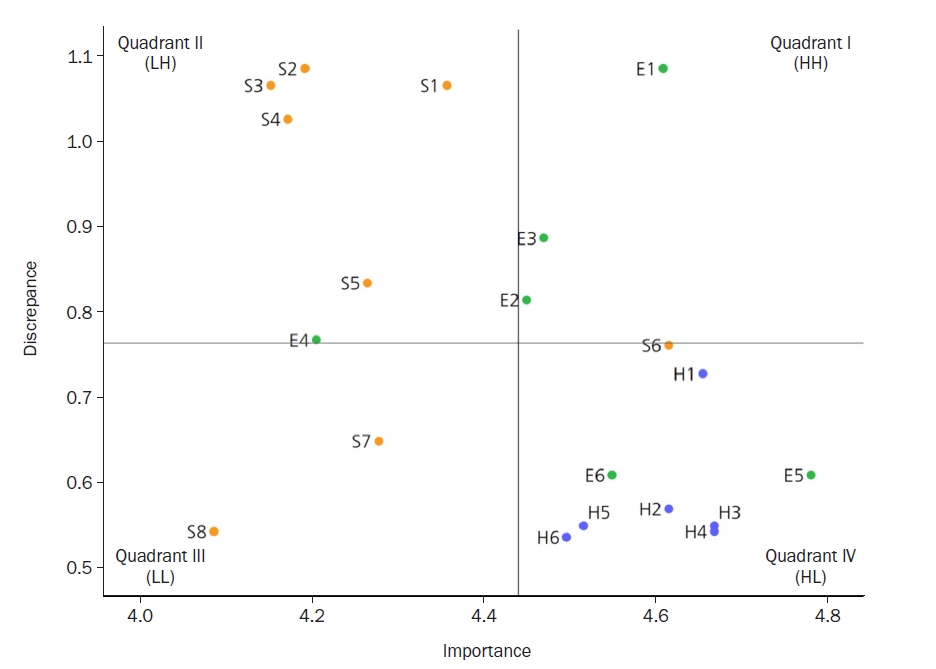
-
Abstract
PDF
- Objectives
This study aimed to investigate the importance and performance levels of sustainable dietary education across the health, environment, and society domains as perceived by nutrition teachers and evaluate the needs and priorities for sustainable dietary education.
Methods
An online survey was conducted for 151 nutrition teachers in Jeollanam-do. The survey included 20 questions across the health, environment, and society domains. The data were analyzed using a paired-sample t-test, the importance-performance analysis (IPA), the Borich needs assessment model, and the locus for focus model.
Results
Overall, the average importance levels of the 20 items of sustainable dietary education were significantly higher than their average performance levels (4.44 vs. 3.68). The examination of each educational domain revealed that although the importance of education in the health domain was recognized and actively practiced by the nutrition teachers, the performance was comparatively lower in the environment and society domains. The Borich needs assessment and the locus for focus model identified education on biodiversity conservation, plant-based protein, and the use of local food as the top-priority group in the environment domain along with fair and ethical food, food security, regional food culture, food policy and trade, and family dining culture as the second-priority group in the society domain.
Conclusions
The results of this study underscore the need to support the nutrition teachers’ perception and practice of sustainable dietary education in the environment and society domains. We believe that the educational needs and priorities proposed in this study will be considered in the future development and modification of sustainable dietary education programs. -
Citations
Citations to this article as recorded by- Perceptions of Sustainable Dietary Practices : A Comparison Between Food and Nutrition Professionals and Food-Related Major Students in South Korea
Eunseo Yang, Borham Yoon
Journal of the East Asian Society of Dietary Life.2026; 36(1): 13. CrossRef - Teacher-Identified Priorities and Resource Use in Government-Supported School Food and Nutrition Education in Korea
Seung Jae Lee, Jieun Oh, Kyung Won Lee
Nutrients.2026; 18(17): 2843. CrossRef - Analysis of pork consumption attribute factors by consumer lifestyle in Korea: a cross-sectional study
Jounghee Lee, Juhyun Lee, Wookyoung Kim
Korean Journal of Community Nutrition.2025; 30(1): 75. CrossRef - An Exploratory Study on the Necessity and Promoting Strategies for School-Based Dietary Education: Focus Group Interviews with Home Economics Teachers
Seung Jae Lee, Ji Eun Oh, Kyung Won Lee
Human Ecology Research.2025; 63(1): 41. CrossRef - Analysis of students’ need for artificial intelligence content in the 「Digital education」 subject
SungAe Kim, Ji Won You
The Journal of Korean Association of Computer Education.2025; 28(7): 71. CrossRef - Safety education status and needs priorities of Korean military food service personnel using the Borich Needs Assessment and the Locus for Focus model: a cross-sectional study
Jeongeun Park, Eunsil Her
Korean Journal of Community Nutrition.2025; 30(4): 261. CrossRef
- Perceptions of Sustainable Dietary Practices : A Comparison Between Food and Nutrition Professionals and Food-Related Major Students in South Korea
- 3,746 View
- 97 Download
- 6 Crossref
- [English]
- Eating habits and dietary supplement utilization according to food-related lifestyle among Korean adults: a cross-sectional study
- EunJung Lee, Jin A Jang, Ji-Myung Kim
- Korean J Community Nutr 2024;29(4):253-264. Published online August 31, 2024
- DOI: https://doi.org/10.5720/kjcn.2024.00017
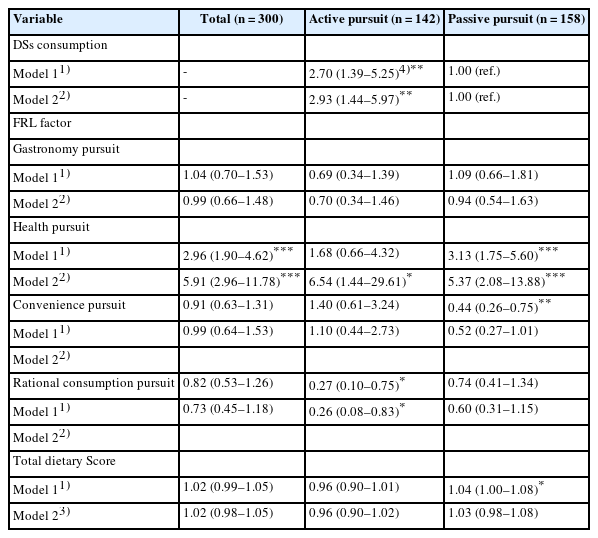
-
Abstract
PDF
- Objectives
This study investigated the association between eating habits and the utilization of dietary supplements (DSs) according to food-related lifestyle (FRL) among Korean adults. Methods: This study included a total of 300 participants (150 men and 150 women) in their 20s to 60s living in Seoul and Gyeonggi Province. We identified two groups by factor and cluster analysis: an ‘active pursuit’ group and a ‘passive pursuit’ group. Differences in eating habits and DS utilization between the two groups were analyzed by chi-square test and t-test. Logistic regression analysis was used to analyze the effect of variables on DS consumption according to FRL. Results: There were significant differences between the two groups in terms of age, alcohol drinking frequency, total dietary score, change in DS consumption after coronavirus disease 2019, and current DS consumption (P < 0.05). The proportion who perceived many health benefits of DSs was higher in the ‘active pursuit’ group than in the ‘passive pursuit’ group (P = 0.003). The most commonly consumed type of DSs was multivitamins & minerals for the ‘active pursuit’ group, and omega-3 fatty acids for the ‘passive pursuit’ group. The ‘an active pursuit’ group consumed DSs 2.93 times more (95% confidence interval [CI]: 1.44–5.97) compared to the ‘passive pursuit’ group, after adjusting for confounders. In the ‘active pursuit’ group, the health pursuit (odds ratio [OR] = 6.54, 95% CI: 1.44– 29.61) and rational consumption pursuit factors (OR = 0.26, 95% CI: 0.08–0.83) were associated with DS consumption, whereas only the health pursuit factor had a significant association (OR = 5.37, 95% CI: 2.08–13.88) within the ‘passive pursuit’ group. However, total dietary score and DSs consumption did not show a relationship. Conclusions: By understanding the consumption characteristics of DSs according to FRL, this can serve as basic data necessary for promoting health through the utilization of DSs and healthy behaviors. -
Citations
Citations to this article as recorded by- Demographic and behavioral correlation of red ginseng consumption in Korea
DeYu Tian, KeunOh Choi, Yong-ung Kim, YoungJoo Lee
Integrative Medicine Research.2026; 15(3): 101287. CrossRef - An Exploratory Indirect Association Analysis of Dietary Supplement Use and Metabolic Risk in Korean Adolescents: A Cross-Sectional Study
Jeoungmi Kim, Vasuki Rajaguru
Foods.2026; 15(14): 2554. CrossRef - Discovering Vitamin-D-Deficiency-Associated Factors in Korean Adults Using KNHANES Data Based on an Integrated Analysis of Machine Learning and Statistical Techniques
Hongryul Ahn, Seungwon Kim, Jinmyung Jung, Chan Park
Nutrients.2025; 17(4): 618. CrossRef
- Demographic and behavioral correlation of red ginseng consumption in Korea
- 6,759 View
- 114 Download
- 3 Crossref
- [English]
- Exploring the customer perceived value of online grocery shopping: a cross-sectional study of Korean and Chinese consumers using Means-End Chain theory
- Xinyu Jiang, Hyo Bin Im, Min A Lee
- Korean J Community Nutr 2024;29(4):318-335. Published online August 31, 2024
- DOI: https://doi.org/10.5720/kjcn.2024.00007
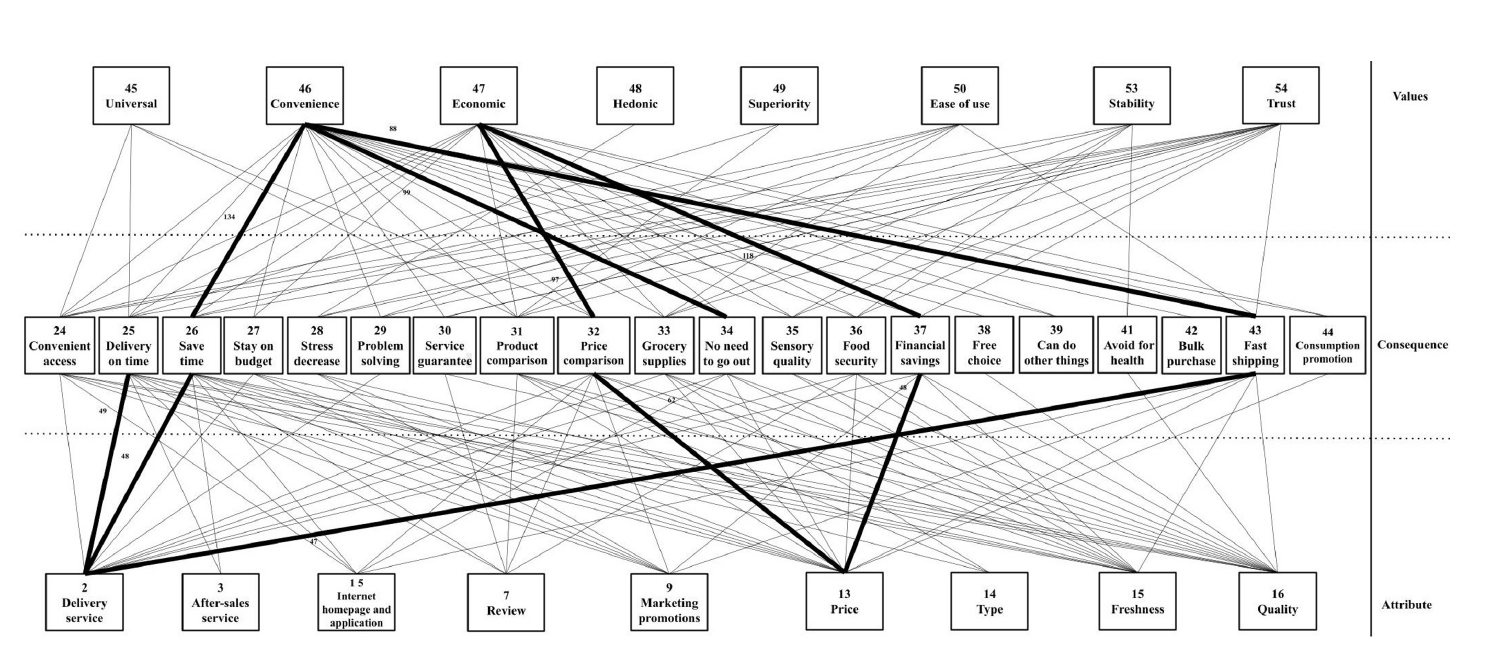
-
Abstract
PDF
- Objectives
Despite the growing market share of online grocery shopping, there is a need to understand customer perceived value due to the ongoing advancements in information technology. This study explores the connections between attributes, consequences, and values. Additionally, it conducts a cross-country comparison of consumers’ online grocery shopping behaviors to gain a deeper understanding of consumer market segments and any potential variations among them.
Methods
Data was collected through an online questionnaire survey conducted from May 1 to 15, 2024, targeting 400 consumers in Seoul, Korea, and Shanghai, China, who have experience with online grocery shopping. The survey utilized the Means-End Chain theory and association pattern technique hard laddering. Data collation and analysis were conducted using the IBM SPSS Statistics 28.0 program. The LadderUX software was employed to analyze the links between attributes, consequences, and values and create the consumer purchasing process’s implication matrix and hierarchical value map (HVM).
Results
The study identified key attributes that influence online grocery shopping decisions, including delivery service, price, freshness, and quality. Korean consumers demonstrated a higher sensitivity to price (19.0%) and delivery service (17.0%). In contrast, Chinese consumers prioritized delivery service (15.0%) and after-sales service (14.8%). Commonly cited consequences included time saving (12.6% for Koreans, 11.3% for Chinese), whereas prevalent values encompassed convenience (36.8% for Koreans, 19.6% for Chinese) and economic value (26.6% for Koreans, 14.7% for Chinese). The HVM underscored these insights, highlighting diverse consumer preferences and country-specific nuances.
Conclusions
The findings highlight the current state of online food consumption and consumers’ value systems, revealing variations among countries. These findings offer empirical insights that can be used to create customized global marketing strategies that resonate with various consumer preferences and market dynamics. -
Citations
Citations to this article as recorded by- Beyond the stage: how performing arts tourism shapes tourist perceptions and destination image
Islam Elbayoumi Salem, Mohammed Ali Bait Ali Sulaiman, Enrico di Bella, Sara Preti, Mohamed Kamal Abdien, Ahmed Magdy
Journal of Hospitality and Tourism Insights.2026; 9(1): 375. CrossRef - Decoding digital market power: a network-based framework for consumer behaviour and strategic advantage
Larissa M. Batrancea, Ömer Akgüller, Mehmet Ali Balcı, Anca Nichita, Mircea-Iosif Rus
Journal of Marketing Analytics.2026;[Epub] CrossRef
- Beyond the stage: how performing arts tourism shapes tourist perceptions and destination image
- 8,057 View
- 95 Download
- 2 Crossref
- [Korean]
- Intake of energy and macronutrients according to household income among elementary, middle, and high school students before and during the COVID-19 pandemic: a cross-sectional study
- Chae-Eun Jeong, Heejin Lee, Jung Eun Lee
- Korean J Community Nutr 2024;29(3):234-252. Published online June 30, 2024
- DOI: https://doi.org/10.5720/kjcn.2024.29.3.234
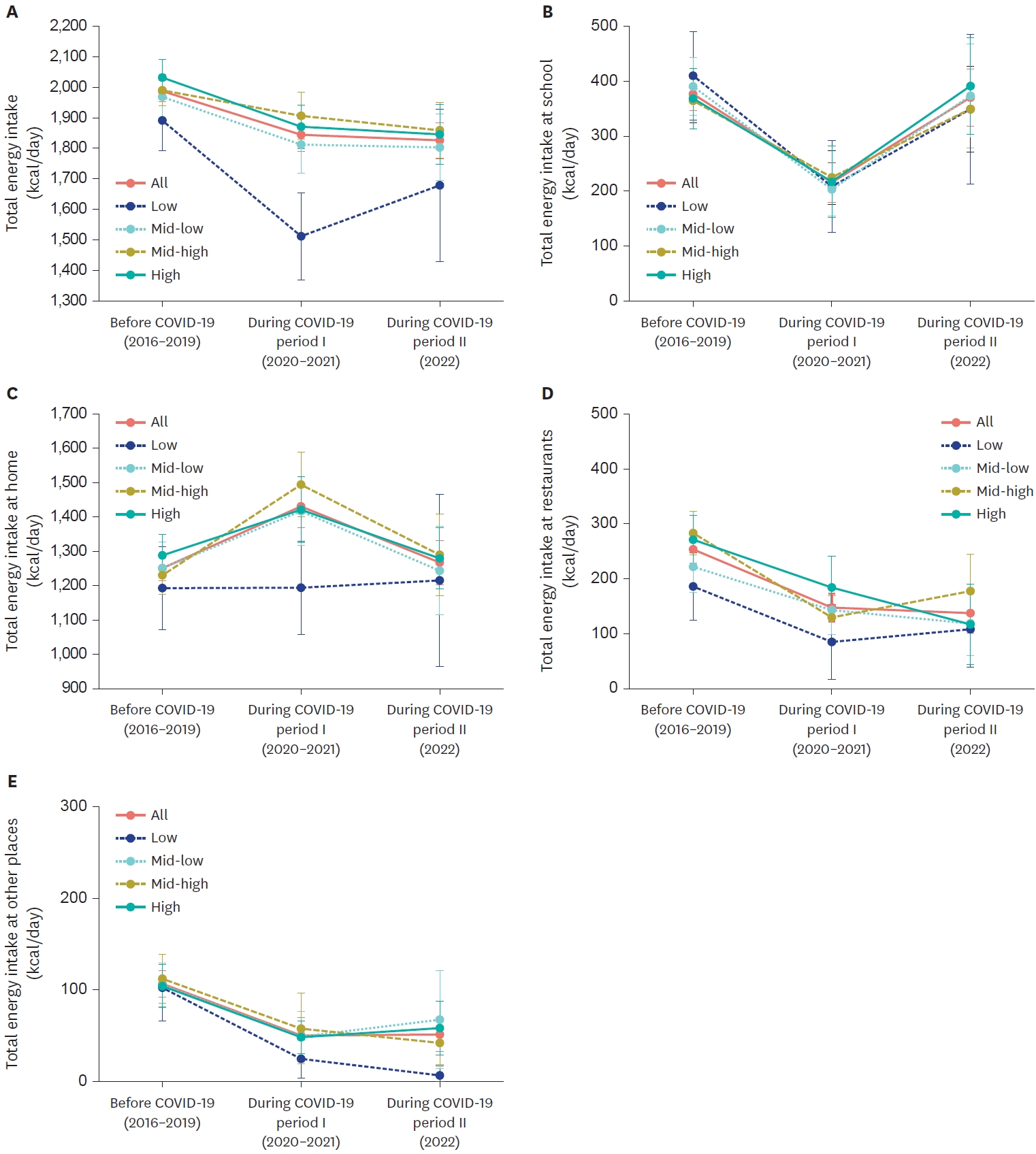
-
Abstract
PDF
- Objectives
This study examined the intake of energy and macronutrients among elementary, middle, and high school students according to household income before the COVID-19 pandemic (2016–2019), during the social distancing period (2020–2021), and after the social distancing measures were lifted (2022).
Methods
We included 5,217 students aged 5–18 from the Korea National Health and Nutrition Examination Survey (KNHANES) conducted between 2016 and 2022. Dietary intake was assessed using one-day 24-hour dietary recalls. We estimated the least squares means (LS-means) of intake according to household income for each period using a weighted linear regression model, adjusted for age and sex. Differences in LS-means between the periods were analyzed using the t-test.
Results
During the social distancing period, the LS-means of energy intake among students decreased significantly by 143.2 kcal/day compared to pre-pandemic levels (P < 0.001). Students from low-income households experienced a more pronounced decrease in energy intake (−379.1 kcal/day, P < 0.001) and macronutrient intake compared to those from other income groups. Energy intake at school significantly declined for all income groups during the social distancing period compared to before the pandemic. No significant changes in home energy intake were observed among low-income students, whereas there was an increase for students from higher-income groups. Before the pandemic, 8.5% of students from low-income households reported insufficient food due to economic difficulties; this figure rose to 21.3% during the pandemic.
Conclusions
During the pandemic, students from low-income families experienced significantly lower intake of energy and macronutrients compared to pre-pandemic levels. The most substantial reductions were noted among low-income students, largely due to the lack of compensation for decreased school-based intake with increased intake at home. -
Citations
Citations to this article as recorded by- Dietary Assessment and Trends Among Preschoolers in South Korea: Data from KNHANES 2012–2021
Yong-Seok Kwon, Ye-Jun Kim, Eun-Kyung Kim, Jin-Young Lee, Yangsuk Kim, Sohye Kim
Nutrients.2026; 18(2): 240. CrossRef - How Did the Dietary Behavior of Older Korean Adults Change During the COVID-19 Pandemic?
Yong-Seok Kwon, Dasol Kim, Hee-Sook Lim
Nutrients.2025; 17(12): 1973. CrossRef - Dietary Assessment of Older Korean Adults by Level of Plant Protein Intake
Yong-Seok Kwon, Ye-Jun Kim, Jeong-Hun Song, Yangsuk Kim
Nutrients.2025; 17(12): 1976. CrossRef - Analysis of Risk Factor Changes for Myopia in Korean Adolescents Before and After the COVID-19 Pandemic
Seeun Lee, So Ra Kim, Mijung Park
Medicina.2025; 61(10): 1798. CrossRef - Domain-specific physical activity and depressive symptoms in Korean adults: An isotemporal substitution study using KNHANES data
Jungmi Park, Hee-Kyoung Nam, Sung-Il Cho, Henri Tilga
PLOS One.2025; 20(12): e0338722. CrossRef - Changes in Ultra-Processed Food Consumption among Adolescents before and after the COVID-19 Pandemic : Using Data from the 7th (2018~2019) and 8th (2020~2021) Korea National Health and Nutrition Examination Survey
Hyun-Jin Hwang, Yoo Kyeong Kim
Korean Journal of Human Ecology.2024; 33(6): 981. CrossRef
- Dietary Assessment and Trends Among Preschoolers in South Korea: Data from KNHANES 2012–2021
- 4,411 View
- 120 Download
- 6 Crossref
- [English]
- Serum branch chain amino acids and aromatic amino acids ratio and metabolic risks in Koreans with normal-weight or obesity: a cross-sectional study
- Ji-Sook Park, Kainat Ahmed, Jung-Eun Yim
- Korean J Community Nutr 2024;29(3):212-221. Published online June 30, 2024
- DOI: https://doi.org/10.5720/kjcn.2024.29.3.212
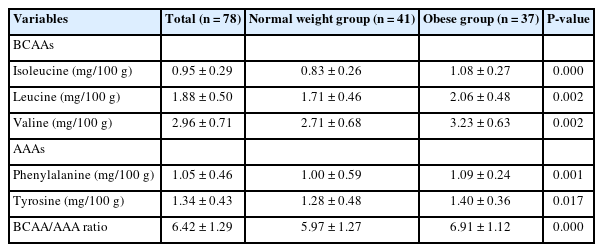
-
Abstract
PDF
- Objectives
Metabolic disease is strongly associated with future insulin resistance, and its prevalence is increasing worldwide. Thus, identifying early biomarkers of metabolic-related disease based on serum profiling is useful to control future metabolic disease. Our study aimed to assess the association of serum branched chain amino acids (BCAAs) and aromatic amino acids (AAAs) ratio and metabolic disease according to body mass index (BMI) status among Korean adults.
Methods
This cross-sectional study included 78 adults aged 20–59 years in Korea. We compared serum amino acid (AA) levels between adults with normal-weight and adults with obesity and investigated biomarkers of metabolic disease. We examined serum AA levels, blood profile, and body composition. We also evaluated the association between serum AAs and metabolic-related disease.
Results
The height, weight, BMI, waist circumference, hip circumference, waist-hip-ratio, body fat mass, body fat percent, skeletal muscle mass, systolic blood pressure, and diastolic blood pressure were higher in the group with obesity compared to normal weight group. The group with obesity showed significantly higher levels of BCAA, AAA, and BCAA and AAA ratio. Further, BCAA and AAA ratio were significantly positively correlated with triglyceride, body weight, and skeletal muscle mass. The evaluation of metabolic disease risks revealed an association between the ratios of BCAAs and AAAs, hypertension, and metabolic syndrome.
Conclusions
Our study is showed the associations between BCAA and AAA ratio, obesity, and obesity-related diseases using various analytical approaches. The elevated BCAA and AAA ratio could be early biomarkers for predicting future metabolic diseases in Korean population. -
Citations
Citations to this article as recorded by- Modulation of cecal microbiota and metabolite profiles by Zanthoxylum bungeanum seeds enhances antioxidant capacity and meat quality in Pekin ducks
Tao Li, Peng Wang, Zhuo Zhi, Qinli Li, Tong Guo, Jie Zhou, Huiya Zhang, Jiqiao Zhang, Jianqin Zhang
Poultry Science.2026; 105(7): 107010. CrossRef - Candidate Obesity Biomarkers Identified Through Multi‐Omics Analysis, Mendelian Randomization, and Mediation Analysis
Mahan Si, Yongsheng Zhao, Yingting Wu, Wenli Zhao, Xuan Liu, Mengxi Jiang
Food Science & Nutrition.2026;[Epub] CrossRef - The emerging role of branched-chain amino acid metabolism in obesity
Dingye Wang, Xiyuan Wang, Minlan Yang
International Journal of Obesity.2026;[Epub] CrossRef - Integrated Genomic and Transcriptomic Analysis Reveals the Genetic Basis and Causal Association Between Obesity and Atrial Fibrillation
Xize Wu, Guorui Xu, Ruiying Wang, Qicheng Cai, Jian Kang, Minglin Ruan, Jiaqi Ren, Yue Li, Lihong Gong
Diabetes, Obesity and Metabolism.2026; 28(9): 8113. CrossRef - The Role of Aromatic Amino Acids in Polycystic Ovary Syndrome through Patients’ Blood Metabolic Profiling: A Systematic Review of the Past Five Years
Apostolos Gkantzos, Stavros Kalogiannis, Olga Deda
Journal of Proteome Research.2025; 24(5): 2208. CrossRef - Current Data on the Role of Amino Acids in the Management of Obesity in Children and Adolescents
Diana Zamosteanu, Nina Filip, Laura Mihaela Trandafir, Elena Ţarcă, Mihaela Pertea, Gabriela Bordeianu, Jana Bernic, Anne Marie Heredea, Elena Cojocaru
International Journal of Molecular Sciences.2025; 26(15): 7129. CrossRef
- Modulation of cecal microbiota and metabolite profiles by Zanthoxylum bungeanum seeds enhances antioxidant capacity and meat quality in Pekin ducks
- 3,436 View
- 37 Download
- 6 Crossref
- [English]
- Factors influencing consumers’ continuance intention in online grocery shopping: a cross-sectional study using application behavior reasoning theory
- Binglin Liu, Min A Lee
- Korean J Community Nutr 2024;29(3):199-211. Published online June 30, 2024
- DOI: https://doi.org/10.5720/kjcn.2024.29.3.199
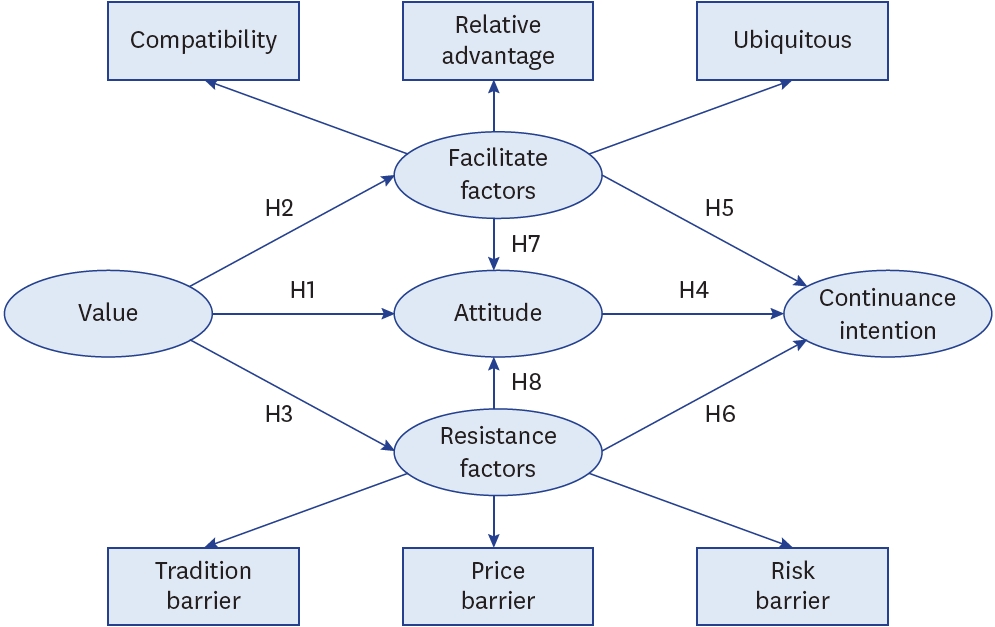
-
Abstract
PDF
- Objectives
Online grocery shopping has gained traction with the digital transformation of retail. This study constructs a behavioral model combining values, attitudes, and reasons for behavior—specifically, facilitators and resistance—to provide a more novel discussion and further understand the relative influences of the various factors affecting continuance intention in online grocery shopping.
Methods
Data were collected through an online questionnaire from consumers who had engaged in online grocery shopping during the past month in Seoul, Korea. All collected data were analyzed using descriptive analysis, and model validation was performed using partial least squares structural equation modeling.
Results
Continuance intention is primarily driven by facilitative factors (compatibility, relative advantage, and ubiquity). Attitude can also positively influence continuance intention. Although resistance factors (price, tradition, and risk) do not significantly affect continuance intention, they negatively affect attitude. Values significantly influence consumers’ reasoning processes but not their attitude.
Conclusions
These findings explain the key influences on consumers’ online grocery shopping behavior in Seoul and provide additional discussion and literature on consumer behavior and market management. To expand the online grocery market, consumers should be made aware of the potential benefits of the online channel; the barriers they encounter should be reduced. This will help sustain online grocery shopping behavior. Furthermore, its positive impact on attitude will further strengthen consumers’ continuance intention. -
Citations
Citations to this article as recorded by- Online Food Purchase Frequency Across Generations: Associations with Healthy Eating, Environmental Concern, and Economic Decision Indicators
Robert Wolny, Marcin Awdziej, Magdalena Jaciow, Ilona Lipowska, Marcin Lipowski, Jolanta Tkaczyk
Nutrients.2026; 18(16): 2730. CrossRef - Modelling the mass adoption potentials of fashion-augmented reality among the young consumers: evidence from an emerging economy
Mohima Akther, Mohammad Nurul Hassan Reza, Abdullah Al Mamun, Norzalita Abd Aziz, Marvello Yang
Journal of Fashion Marketing and Management: An International Journal.2025; 29(3): 459. CrossRef
- Online Food Purchase Frequency Across Generations: Associations with Healthy Eating, Environmental Concern, and Economic Decision Indicators
- 9,928 View
- 115 Download
- 2 Crossref
- [English]
- Regional differences in protein intake and protein sources of Korean older adults and their association with metabolic syndrome using the 2016–2019 Korea National Health and Nutrition Examination Surveys: a cross-sectional study
- You-Sin Lee, Yoonna Lee
- Korean J Community Nutr 2024;29(3):173-188. Published online June 30, 2024
- DOI: https://doi.org/10.5720/kjcn.2024.29.3.173
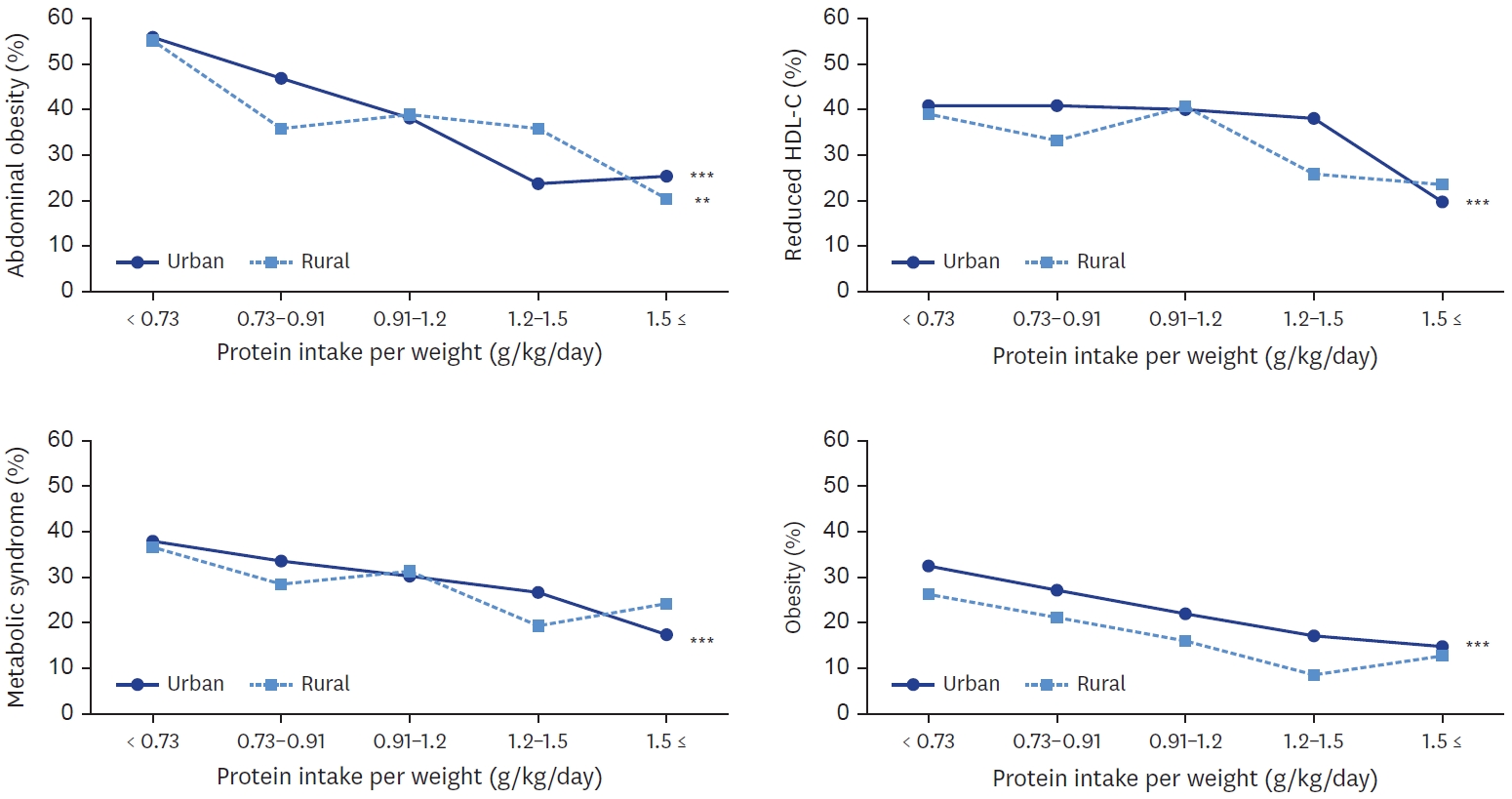
-
Abstract
PDF
- Objectives
The study aim was to analyze the regional differences in dietary protein intake and protein sources of Korean older adults and their association with metabolic syndrome.
Methods
Study participants were 1,721 older adults aged 65 and over who participated in 2016–2019 Korea National Health and Nutrition Examination Survey. Using 24-hour recall dietary intake data, protein intake and their food sources were examined. The association between protein intake and metabolic syndrome, obesity, and abdominal obesity were analyzed by multiple logistic regression.
Results
Total protein and animal protein intakes were higher in urban area (60.0 g, 24.4 g, respectively) than in rural area (54.6 g, 19.6 g, respectively). With increase of protein intake level, animal to total protein proportion was increased in both areas. Total protein and plant protein intake was negatively associated with the risk of obesity, abdominal obesity in both areas. Animal protein intake was negatively associated with the risk of obesity in both areas, and with abdominal obesity only in urban area. In urban area, plant protein intake was also negatively associated with the risks of metabolic syndrome, elevated triglyceride, and reduced high density lipoprotein-cholesterol. In urban area, the risk of metabolic syndrome was decreased when their protein intake was more than 0.91 g/kg and was lowest when their protein intake was more than 1.5 g/kg (P for trend < 0.001).
Conclusions
Korean older adults showed inadequate protein intake and those in rural area showed lower animal protein intake than in urban area. The risk of obesity and metabolic syndrome was decreased with the increase of protein intake level. These findings may help develop effective nutrition support strategy for older adults to reduce regional health disparity. -
Citations
Citations to this article as recorded by- Assessing Nutritional Factors for Metabolic Dysfunction-Associated Steatotic Liver Disease via Diverse Statistical Tools
Yea-Chan Lee, Hye Sun Lee, Soyoung Jeon, Yae-Ji Lee, Yu-Jin Kwon, Ji-Won Lee
Diabetes & Metabolism Journal.2026; 50(1): 178. CrossRef - Longitudinal Deterioration in Nutritional Status Associated With Increased Risk of Sarcopenia in Community‐Dwelling Aged Adults: A Prospective Cohort Study
Ho Jun Lim, Seung Shin Park, Mi Ji Kim, Hak Chul Jang, Sung Hye Kong, Chang Won Won
Journal of Cachexia, Sarcopenia and Muscle.2026;[Epub] CrossRef - Nutritional and environmental implications of incorporating cultivated meat into the Korean diets: a preliminary analysis
Daniel Ryu, Hae Jin Park, Yujin Ahn, Jieun Oh, Yooheon Park
Food Science and Biotechnology.2026; 35(6): 1495. CrossRef - Association between nutrient intake and frailty status in Korean older adults: a cross-sectional study using the 9th (2022–2023) Korea National Health and Nutrition Examination Survey
Hyejin Yu, Sang-Jin Chung
Korean Journal of Community Nutrition.2026; 31(2): 153. CrossRef - Association Between Revised Macronutrient Intake Ratios and Metabolic Syndrome
Min Ju Kim, Jung Hyun Kwak
Nutrients.2026; 18(16): 2706. CrossRef - The association between dietary protein intake and metabolic syndrome: a GRADE-assessed systematic review and meta-analysis of observational studies
Dorsa Ghazvineh, Ali Hosseinpour, Vahid Basirat, Elnaz Daneshzad
Diabetology & Metabolic Syndrome.2025;[Epub] CrossRef - The association between total, animal-based, and plant-based protein intake and cognitive decline in older adults
Maud Peperkamp, Margreet R. Olthof, Marjolein Visser, Hanneke A. H. Wijnhoven
European Journal of Nutrition.2025;[Epub] CrossRef
- Assessing Nutritional Factors for Metabolic Dysfunction-Associated Steatotic Liver Disease via Diverse Statistical Tools
- 13,885 View
- 132 Download
- 7 Crossref
- [English]
- Developing educational videos to inform rightly about school foodservice from kindergarten to high school: a case study
- Gyoungok Gang, Chaewon Park, Haejin Kang, Wan Soo Hong, Yoo Kyoung Park, Sook Hee Choi, Seung Hye Kim, Jieun Choi, Jihyun Park, Hyeja Chang
- Korean J Community Nutr 2024;29(2):97-113. Published online April 24, 2024
- DOI: https://doi.org/10.5720/kjcn.2024.29.2.97
-
Abstract
PDF
- Objectives
Since the enactment of the School Nutrition Act in 1981, school lunch programs in South Korea have grown quantitatively and qualitatively with a current student participation rate of 99.8%. Nonetheless, educational materials are needed to reduce misunderstanding and ignorance about school lunch programs. This study aimed to develop 3 educational videos that help students of various ages (kindergarteners/lower-grade elementary, upper-grade elementary, and secondary school, respectively), understand the school lunch program.
Methods
A scenario was created, was made, and the opinions on the scenario from experts in foodservice sectors were collected. A survey was conducted to students and parents to determine topics they wanted to know about school foodservice. The final videos were produced using this information and the expert opinions. The data were analyzed using SPSS 27.0 for Mac (IBM Corp., Armonk, NY, USA); a P-value of < 0.05 was considered significant.
Results
Three videos on school foodservice were developed for various age levels of students: kindergarten/lower-grade elementary, upper-grade elementary, and secondary school. Additionally, English subtitles were included for the multicultural student population. These videos, each lasting about 7 minutes, cover topics such as nutrition, hygiene, and the cultural significance of the school lunch program. The survey results showed that parents and students wanted to know the following topics about the school lunch program: “nutritionally balanced diet” (11.9%), “purchasing safe food ingredients” (10.9%), and “healthy eating habits” (9.9%).
Conclusions
The developed videos will serve as valuable educational resources on school foodservice, foster a deeper understanding of the school lunch program in parents and students, and potentially address their inquiries regarding production processes, nutrition, hygiene, cultural heritage, and health.
- 4,197 View
- 52 Download
- [English]
- Arterial stiffness index, physical activity and food and nutrient intake: cross-sectional study in adults aged 40 years and older
- Eun-A Kim, Yun-Mi Kim, Eun-Kyung Kim
- Korean J Community Nutr 2024;29(2):81-96. Published online April 24, 2024
- DOI: https://doi.org/10.5720/kjcn.2024.29.2.81
-
Abstract
PDF
- Objectives
This study aimed to investigate arterial stiffness index, physical activity, and food and nutrient intake in middle-aged adults over 40 years when the incidence of cardiovascular disease begins to increase.
Methods
This study included 106 subjects (48 males and 58 females) aged between 40 and 64 years. The arterial stiffness index (brachial-ankle pulse wave velocity [baPWV], and ankle-brachial index [ABI]) were measured using a blood pressure pulse wave testing device. Physical activity was assessed using the Korean version of the Global Physical Activity Questionnaire, and food and nutrient intake was calculated using the Food Frequency Questionnaire.
Results
The mean age of the subjects was 54.4 years. Although the ABI of the subjects was within the normal range, they were divided into tertiles to compare physical activity and food and nutrient intake. In males, the time spent on moderate to vigorous physical activity (MVPA) was significantly higher in T3 (600.6 min/week) than in T1 (304.4 min/week). In females, the time spent in sedentary behavior was significantly lower in T3 (294.5 min/week) than in T1 (472.1 min/week). In addition, the frequency of fish consumption was significantly higher in T3 (1.27 frequency/day) than in T1 (0.64 frequency/day) in females. Polyunsaturated fatty acid (PUFA) and ω-3 fatty acid intake, adjusted for energy intake, were significantly positively correlated with ABI (r = 0.200 and r = 0.218, respectively).
Conclusions
High MVPA (in males), low sedentary behavior (in females), and PUFA and ω-3 fatty acid intake through fish consumption may be associated with low peripheral artery stiffness. Therefore, arteriosclerosis can be prevented through physical activity and proper dietary therapy. -
Citations
Citations to this article as recorded by- Effectiveness of Omega-3 Supplementation on Arterial Stiffness: A Systematic Review
Jacqueline Marlene Ibarra-Peso, Mariel Alejandra Lobos-Farias, Felipe Antonio Albarrán-Torres, Erislandis López-Galán, Miguel Enrique Sánchez-Hechavarria
Medicina.2026; 62(8): 1553. CrossRef
- Effectiveness of Omega-3 Supplementation on Arterial Stiffness: A Systematic Review
- 1,979 View
- 44 Download
- 1 Crossref
- [Korean]
- Effects of watching Mukbang and Cookbang videos on adolescents’ dietary habits and mental health: cross-sectional study using the 18th Korea Youth Risk Behavior Survey
- Seung-Hee Hong
- Korean J Community Nutr 2024;29(2):156-170. Published online April 24, 2024
- DOI: https://doi.org/10.5720/kjcn.2024.29.2.156
-
Abstract
PDF
- Objectives
This study aimed to investigate the association between how often Korean adolescents watch Mukbang and Cookbang videos and their dietary habits.
Methods
Data from the 18th Korea Youth Risk Behavior Survey conducted in 2022 was analyzed for this study. The study included 51,850 middle and high school students and assessed various aspects, including demographics, frequency of watching Mukbang and Cookbang videos per week, dietary habits, health behaviors, and mental health factors.
Results
Nearly a third (29.3%) of Korean adolescents watched Mukbang and Cookbang videos one to four times a week, while 13.5% watched them more than five times weekly. Females, those with lower academic achievement, and those from lower socioeconomic backgrounds were significantly more likely to be frequent viewers (P < 0.001). Increased viewing frequency was associated with poorer dietary habits. Adolescents who watched more frequently were less likely to eat breakfast and consume fruits and milk, while their consumption of fast food, high-caffeine drinks, sugary drinks, and late-night snacks increased (P < 0.001). Higher viewing frequency correlated with increased feelings of stress, depression, and loneliness (P < 0.001). Logistic regression analysis confirmed these associations. More frequent viewers were significantly less likely to eat breakfast (odds ratio (OR), 0.63; 95% confidence interval (CI), 0.58–0.68), and more likely to consume fast food (OR, 1.85; 95% CI, 1.69–2.02), high-caffeine drinks (OR, 1.43; 95% CI, 1.30–1.56), sugary drinks (OR, 1.54; 95% CI, 1.41–1.67), and late-night snacks (OR, 1.37; 95% CI, 1.25–1.51).
Conclusions
Our findings suggest that frequent exposure to Mukbang and Cookbang content is linked to unhealthy dietary habits in adolescents. Educational programs may be necessary to mitigate the potential for these videos to negatively influence dietary choices. -
Citations
Citations to this article as recorded by- Mukbang Addiction and Emotional Eating Among University Students in Saudi Arabia: A Cross-Sectional Study
Fatimah Alenazi, Hend F. Alharbi
Nutrients.2026; 18(15): 2554. CrossRef - Association Between the Consumption of Sugar-Sweetened Beverages and High-Caffeine Drinks and Self-Reported Mental Health Conditions Among Korean Adolescents
Seung Jae Lee, Yeseul Na, Kyung Won Lee
Nutrients.2025; 17(16): 2652. CrossRef - Mediating Effects of Mukbang and Cookbang Viewing on the Association Between SNS Use and Adolescents’ Food-Related Lifestyle
Soo Jin Lee
Journal of the Korean Society of Food Science and Nutrition.2025; 54(11): 986. CrossRef - 성인 남녀의 먹방 시청시간에 따른 식행동에 대한 연구
하얀 남, 복미 정, 은례 전
Korean Journal of Food and Cookery Science.2024; 40(4): 275. CrossRef
- Mukbang Addiction and Emotional Eating Among University Students in Saudi Arabia: A Cross-Sectional Study
- 5,126 View
- 161 Download
- 4 Crossref
 First
First Prev
Prev


